25 New Social Articles on Business 2 Community |

- Need-to-Know Formula for User-to-Fan Conversion
- Socialympics 2012
- Why Social Media is a Total and Utter Waste of Money (Not Time)…
- Guest Blog Tips
- Facebook’s Enhanced Targeting: A Boon For Social Media Marketing
- How to Commit to Social Media Marketing
- Why Online Communities Offer a Super Smart Long Term Business Strategy
- From the Clubhouse: Monitoring Your Tools
- Social Swimming – Don’t Think Synchronized Sharing
- Forging The Social Media Plan
- Gangs of Wasseypur Poster Contest On Facebook
- To Many Consumers, Social Media Equals Facebook (Infographic)
- When Intranet Content Becomes Obsolete
- Is Social Media A Waste Of Time?
- Things You Can Do on Facebook I’ll Bet You Missed
- 7 Warning Signs You’re Using Social Media Wrong
- What It Takes To Become A Digital Destination
- Southwest Airlines Case Study: How to Turn Social Media Success into Sales
- To Tweet, Or Not To Tweet
- London 2012: Sabers, Spoilers, Speedos and Social
- Get Fired Up Today! – Be Someone Different On Social Media
- Small Business Search Engine Optimisation Cannot Be Ignored!
- Applying Mind-Blowing Social Media Stats To Marketing Strategy
- 5 Ways You Are Killing Your Business When Recruiting (Social Professionals)
- The Facebook Like Button: What It Really Means and How Much It’s Worth
| Need-to-Know Formula for User-to-Fan Conversion Posted: 07 Aug 2012 02:30 PM PDT When a new user visits a business's Facebook Page, the ultimate hope for the business is that the user will become a fan. User-to-fan conversion is tough. But there are ways to increase the likelihood of a user becoming not only a fan, but an active fan who engages with the business online. The company MECLABS came up with a marketing formula for customer conversion. The same formula also applies really well to Facebook user conversion. Here it is: C=4m+3v+2(i-f)-2a This formula is made up of six variables which stand for the following: C= Conversion, M=Motivation, V= Value Proposition, I= Incentive, F=Friction, A=Anxiety So what does it all mean? In short, conversion occurs when motivation is high, value is identifiable, and when offered incentives are perceived as easily attainable and advantageous. For a more in-depth analysis of the equation, here's a breakdown of how a business can translate the formula into Facebook practice. Identify your value proposition… How does a business convey the value of their Facebook Page? For starters, it takes a good look at who the target audience is. Once a business can identify their target user, a business can then cater to this audience on their Facebook Page. Meaning, all design and shared content should be created in a way to appeal specifically to target users. Things like the design of a cover photo and the use of applications are all ways to portray to users the value of a Page. Motivate Facebook users… Getting users to press "Like" is one of the biggest challenges businesses on Facebook have. What motivates a user to Like a Page, anyways? The answer differs between each user. First segment users by a couple distinctive traits, then try to predict the realistic reactions and actions of these users when they are introduced to specific Page content. Keep in mind, it's the media content being shared, the phrasing of status updates, and even Facebook advertising efforts that are often the most motivating factors related to whether or not a user will Like a Page. Provide incentives…Offering something to users in return of Liking a Page is the most effective way for a business to engage with users who are not already familiar with their brand. This "give to get" marketing approach works exceptionally well when the offered incentive feels exclusive and unique to one business only. An iPad is great (for the one person who wins it), but knowledge or entertainment is better. Reduce friction… A Facebook offer is most effective when the effort required to receive the offer is little. Long Facebook entry forms or requiring the users to divulge too much information are the most common frictions that discourage and also disinterest users from Liking a Page. The best advice is to keep it simple. Whether it be hosting a Facebook contest or asking users to participate in a Facebook poll, keep verbiage clear and minimize the number of hoops users have to jump through. Decrease anxiety… Before a Facebook user decides to Like a Page, he or she often needs some assurance. For one, a business can let their past Page activity stand as an indicator that they're not going to clog News Feeds with frequent or irrelevant content. Second, for users who decide to engage with a Page through an application, they need to feel safe knowing their information is not going to be be misused. User testimonials or a note that states their information will not be used to spam them can often help put anxious users at ease. There is no exact science of how to convert a Facebook user to a fan, but a tool like MECLAB's conversion formula can help. For all businesses, this formula is a great resource to help identify the things that matter most for user-to-fan conversion. |
| Posted: 07 Aug 2012 01:55 PM PDT As my colleague, Pam Flores, wrote a few weeks ago, many have dubbed the 2012 Olympic Games the Socailympics. Why? Because social media will be as prevalent at the 2012 games as bad blazers and white pants. (Really, don't get me started.)
Unlike some organizations, the International Olympic Committee was ready for the social media marketing onslaught. They developed and repeatedly distributed the IOC Social Media, Blogging and Internet Guidelines for participants and other accredited persons at the London 2012 Olympic Games. Even before the games, athletes from around the world took to Facebook and Twitter to share their hopes, dreams and opinions of the competition. But, what happens when you don't play by the IOC rules? Just ask Greek triple jumper Paraskevi Papachristou, who was suspended for making "comments that go against to the values and ideals of Olympism" via Twitter. Switzerland's Michel Morganella was also expelled from the Olympics for posting a message on Twitter that "discriminated against, insulted and violated the dignity of the South Korea football team as well as the South Korean people." Even before the Games began, Australian swimmers, Nick D'Arcy and Kenrick Monk, were disciplined by their country's swimming team after they posted a picture on Facebook in which they posed with weapons. Their punishment: they were banned from using social media during the Olympics and sent home immediately after their events. Athletes were not the only ones who crossed the line and did not follow the IOC's social media rules. Reporter Guy Adams of The Independent had his posting privileges revoked for sending a negative tweet of the Olympic coverage that included an NBC executive's email address. The lesson to be learned is the same for Olympic athletes as the person in charge of your corporate Twitter account: whether or not you agree with them, follow the rules or be prepared to pay the price. |
| Why Social Media is a Total and Utter Waste of Money (Not Time)… Posted: 07 Aug 2012 01:35 PM PDT
Ultimately spreading word of your brand may well lead to an increase in sales. But when social media budget is concerned businesses must keep a tight eye on potential return on investment. Using social media to generate new business is certainly effective (when I say social media I do of course mean facebook and twitter). But there is no point what so ever is spending any money building your social media presence. The only thing social media should be used for is directing highly targeted potential customers to your product window and data capture. In the beginning facebook wouldn't allow adverts directed straight to locked landing pages. A move that was surely aimed at keeping brand traffic on facebook. Obviously, brands quickly became aware that the ROI per click was not cost effective so something had to give. Facebook relaxed the rules, as they should. The only thing that a marketer or advertiser should concentrate on is getting their product in front of potential customers, either by direct product traffic or data capture for repeat marketing. Simply building your facebook fans or twitter followers is supremely pointless and any company who try and market this way will have a bad experience. You don't own facebook likes and twitter followers and there is guarantee as to when they will be taken away from you. Especially as facebook runs algorithms that prevent stories from featuring on customers timelines. If you spend £1,000 getting 1,000 fans it does not mean that 1,000 people will see your post. In fact the true figure is around 16%. So you are paying £1,000 for 160 people to view a line of text and possible an image. And this is only for a few seconds before the next barrage of pointless rubbish that is hashed out takes over. Then after several more posts that are ignored, FB deems your business as boring and stops showing it all together. Much more sensible to spend £1,000 getting 1,000 highly targeted email addresses using a product specific ad and landing page. You know your leads are interested in what you sell and that data is yours to keep and remarket to until they opt-out or unsubscribe. Data capture is key to social media marketing. Both services provide an excellent way to target your precise customers. That is where the ROI in social media advertising lies. Either get them registered or get their details so you can remarket your product. Use an effective landing page and explains your product or service, and be clear about your methods. Then use customer interest to repeat market to sell them stuff. That is a method that works. For businesses social media should be a free resource for your customers to promote your product. Never spend any money promoting your product away from a means of selling it. Otherwise it's like putting up a massive sign outside your shop saying, "I've got this great product inside that you really really want. Why don't you pop round the corner to the café and discuss it over a coffee rather than coming in and buying it". If you think I’m wrong, I’d love to hear why… |
| Posted: 07 Aug 2012 01:20 PM PDT For the purpose of this blog, I will assume that you know the importance of guest blogging, not only for outreach and SEO but for branding, marketing and much more. Also, that you have some idea of writing content for guest blogs – if not don't worry you can see some top information about blog content here. Find the very best guest blog opportunitiesHaving spent some time writing 600+ unique, interesting and informed words for your guest blog content, the last thing you want to do is just put it on an irrelevant topic website with no real visitor levels and a target audience far removed from your ideal demographic. Regardless of what some people might say, there are some great guest blog opportunities to be had that will assist in sharing some authority, pointing traffic your way and building some great new relationships through your blogging. Speak in the first personSpeaking in the first person is great for a number of reasons, including conveying personality and engaging with your target audience. Both of these benefits of first person content can assist in turning interested readers into happy customers. We even wrote a blog about speaking in the first person which you can read here. Links from contentIf you were writing on your own website's blog, you would quite naturally add content links to other associated or relevant blogs that you have written so that the reader can easily source useful information from one place. When you guest blog, the same methodology applies so adding a link to other blog posts on the guest blog site can fulfil the same purpose and it demonstrates to the editor of the guest blog resource that you do actually care about the platform you are posting on. Don't be shy – promote your blog contentSo many people write guest blog content, source great blog posting opportunities and yet fail to tell people what they have posted and where. Utilise your Google Plus profile, your Twitter account and your LinkedIn community (as well as all the other social sites like Facebook, Digg et al) and drive some enthusiastic visits to your content. Be social, be confident and be creative – let your passion for your content engage others to read and share. |
| Facebook’s Enhanced Targeting: A Boon For Social Media Marketing Posted: 07 Aug 2012 01:17 PM PDT
Although not a ton of information has been released about the new post targeting tool, it does appear to be highly beneficial to marketers. Until last week, Facebook posts could only target a specific audience based on two metrics: location and language. However, according to TechCrunch, the new Page Post Targeting tool allows you to zero in on a variety of different demographics including:
This is huge news for marketers and advertisers trying to target a specific audience when creating posts. For marketers to run a successful Facebook campaign that produces results, it is imperative that they follow a simple formula for marketing success. When crafting a Facebook campaign, the first objective marketers should focus on is fan reach, i.e. greater exposure in fans' news feeds. This is where the new Page Post Targeting "Enhanced" functionality comes into play. With the new tool, Facebook page admins can publish various types of content to specific, highly-defined market segments. For example, if Gap is trying to promote a new fall back-to-school clothing line for high school students, the clothier will not only be able to focus on specific geo-locations, but also target directly to high school students based on age, school, and possibly gender, depending on the direction of Gap's campaign. This means that college students and other unlikely consumers will not see irrelevant advertising for products they are unlikely to purchase. Instead, a company's "enhanced posts" will only appear in the news feeds of their intended target audience (in addition to the company's Facebook Timline). Marketing Takeaway For marketers who understand the importance of content marketing, and more specifically, the power of social media promotion, Facebook's new Page Post Targeting Enhanced tool will allow segmentation and targeting like never before. If used properly, the new tool will likely drive more relevant traffic to your Facebook page, increasing engagement with the fans that matter most. However, it will be up to the individual marketer to determine the appropriate targeting levels for Enhanced Posts. With too much targeting, you might be limiting the reach and effectiveness of your post; whereas with too little targeting, you will likely reach out too many people who may not care. As marketers begin to draw the fine line between what is too much and too little enhanced posting, remember that as long as you're providing fresh and valuable information, Facebook's new tool should be an extremely useful for your social media marketing efforts.
 |
| How to Commit to Social Media Marketing Posted: 07 Aug 2012 01:05 PM PDT Like any successful business strategy, social media marketing takes a certain amount of time and committement before it shows its worth. Many executives and top decision makers at companies are concerned that social media is not a useful endeavor for their companies. Some businesses view it as a fad, or as a technology that is still too new to make an impact. Yes, social media is relatively new, but so is the internet in general when compare to traditional marketing tactics. The fact is, social media (which reaches beyond Facebook and Twitter and now extends to the majority of the internet) gives a huge amount of power to marketers when it is used correctly.
Anyone involved in social media is aware that interaction in this medium has put the emphasis on the user and to some extent businesses and brands now have to taylor their message and information for the consumer more than ever before. Although many marketers and businesses have begun adjusting to this new mode of thinking, there are still some tactics that are not being taken full advantage of. The information that people provide about themselves on social networks is a great sales tool for businesses. Our ability to follow peoples interestes outside of their job is a huge positive for business to business companies. With this new wealth of information, marketers and sales teams can mold their message to the target audience, based on what those users specifically enjoy and engage on. Futhermore, the ability to reach out to people on social networks who are specifically looking for content is a great way to reach new audiences. Consider the fact the number of monthly searches on Twitter is estimated to be over 32 billion, more than Bing and Yahoo combined. That means there is a huge group of potential customers searching for information. Businesses need to pay attention to the keywords people are searching and make sure to listen to users, as opposed to constantly pushing content on them. Connecting with these users with a blance of listening and useful content is a great way to develop relationships that can be nurtured into customer conversions. In terms of content, it is important to maintain a balance between what satisfies the needs of the business, as opposed to what satisfies the needs of the user. 13% of users follow a brand or business based on their content. As mentioned previously, the emphasis on the user in social media is a necessary to adjust to. Businesses must determine what information drives users to the website and what information they tend to engage and convert on. 20% of Google searches each day have never been searched before which means businesses need to constantly change and adapt their information to the needs of potential customers. Success in social media marketing takes time, just as building lasting and benefitting relationships in the traditional business sense takes time. In order to see positive results from a social media presence, businesses must commit to the work and time needed for social media with an open mind. That's not to say there shouldn't be business goals – increasing brand awareness, sales, etc. are the purpose for engaging ins ocial media. However, social media is relatively new and although it doesn't work the same way as previous marketing tactics it has huge potential for businesses willing to put in the effort. |
| Why Online Communities Offer a Super Smart Long Term Business Strategy Posted: 07 Aug 2012 12:30 PM PDT In the new world of non-bubble spending and slower economic growth, organizations must invest their time, people, and budgets very carefully. The combination of increased internet usage, maturing of web marketing, and explosion of online content means that the questions isn't where to I put your resources – offline or online. The question has become, "of the many ways to develop my business online, which should I choose?" Both the qualitative and quantitative research suggests that building community is a wise investment to grow your business and in crisis – in boom times and in sluggish months – in for-profit businesses and for nonprofit organizations – in your start-up stages and for established companies. 11 Reasons to Keep Calm and Build CommunityThere are very few approaches to business that can serve as many organizational objectives as your online community strategy. Here is why online communities just might offer the smartest long term business strategy ever. Efficiency & ROIReason #1: Online Communities Are Living, Breathing, Sustainable ThingsOnline communities are neither a campaign nor a tactic. Communities exist to serve all of its parts and rely on all of the different types of people in the community to survive. Unlike outbound marketing or customer satisfaction campaigns, online communities can grow even when a participant in the community falls away for a period. Tip: Online communities still need food to grow. Make sure that exclusive content is always being pumped into your online community. Reason #2: Online Customer Communities Build Upon ThemselvesWhen you launch an online customer community, you are laying a foundation to help make customers more successful with your products or services. In providing this platform, you are asking your customers and partners to join your organization in this effort. Online communities augment the enthusiasm, support, and knowledge that your organization brings to the market with that of your entire ecosystem. Reason #3: Private Online Communities Create AdvocatesBuilding understanding of your company's vision, solutions, and customer-centric philosophy through helpful content and proactive support goes a long way toward creating a mini-arms of supporters that can help your organization spread ideas, bring new products to market, and build your brand. Increasing RevenueReason #4: Online Customer Communities Close Sales FasterOpening up specific sections of your online customer community to prospects and leads to provide resources and answer questions can significantly shortens sales cycles and provide critical social proof to differentiate your offering in the eyes of your prospective customers. Reason #5: Community Engagement Leads to Event AttendanceEngaged online community members are more aware of, and more likely to attend, in-person events. Reason #6: Online Communities Create Profit for Channels and PartnersBringing partners into your online customer community in a way that they can provide value to your customers helps position your organization as an invaluable resources, as well as makes it easier for your partners to educate, sell, and solve customer problems. Reason #7: Online Communities Improve MarketingOnline communities build relationships with prospects and create brand advocates from customers and partners. By keeping customers or members engaged, companies also increase upsell and renewal rates. Keeping CustomersReason #8: Online Customer Communities Increase Customer SatisfactionThough peer-to-peer support and by proactively connecting people with questions with those with answers, customer support teams can increase customer loyalty, net promoter scores, and retention. Reason #9: Engaged Customers Are a Public Relations AssetIt is much easier to get through a crisis or ask forgiveness from your customers if you have built up a stockpile of trust, credibility, and overall humanity in your online community. Creating Profitable Product & ServicesReason #10: Online Communities Provide Access to Market DataOnline communities create a consistent stream of market data from which product managers can listen for market problems, spot trends, and identify people with which they should have further in-depth conversations about their needs. Reason #11: Customer Communities Help Product Development Teams Deliver Better ProductsMost product development teams would kill to have an easily accessible feedback loop from their target market. Online communities allow developers to more easily test features and prototypes in the market so that they can make adjustments earlier in the development process and create more helpful products. Online Community TakeawayNot all businesses, associations, or user groups will use online customer communities the same way. However, there isn't another platform out there that can be used for such a diverse array of strategies across an organization and have such a tangible impact on business-level results. From prospects to customers to employees to partners, online communities produce the engagement that fuels concrete revenue increases, customer satisfaction, and the development of more profitable products. So, in good times and in bad, build your online community. Start small, but know that by investing you community, you are investing in the future of your organization. You can download a free printable 'Keep Calm and Build Community' mini-poster right nowor order a full-sized wall poster online.
|
| From the Clubhouse: Monitoring Your Tools Posted: 07 Aug 2012 12:05 PM PDT So here is a quicker tip from the clubhouse about monitoring your tools. So there I was I vacation the other week. Yes I know I shouldn't have been checking Facebook but I had a little down time and good cell service so I was checking out my feed. That is when I realized something was wrong. I started realizing that one of my friends on Facebook had suddenly flooded my feed with multiple posts. Now for those of you that remember my initial "From the Clubhouse: Flawed Curation Styles" you are probably thinking that I'm about to talk about the curation style of the over-sharer but not quite. When I looked at the time of this friends post they were all with in a 15 minute period and there was over 120+ posts.. YES 120+ talk about ruining checking on my friends. So the problem was obvious to me in that a tool was going haywire for this friend. So many people will argue about how we shouldn't be using tools to cross pollenate and auto feed some social media accounts. I think there is a balance and art to it but I'm not going to get into that conversation here. Instead if you are going to use these type of tools then you need to test, test and monitor those tools. Thanks to awesome people all over the internet we have so many tools to select from and more popping up everyday. I am a firm believer in the keep it simple using only a couple of tools even though I may tinker with a lot of them. The one thing I am very aware of is how these tools are interacting with my social sites that they are posting to. So I implement the Test, Test and Monitor method with any automated or trigger based tool. Test Posting: So the first test is about testing the link to the social sites. Checking to see how a tool posts to different sites is important for you to understand how the posts will look when they post. Does it keep Twitter posts under 140 characters, does the hashtag appear correctly and is it creating the correct links? For Facebook is it posting a link, sharing a link and how does the content look. Look at any site you are posting to and make sure the tool is producing the type of post you are hoping to produce. You have to understand what the tool is taking in for information and how it is posting that information out. Each tool is different so it is important to understand this. Test Scheduling: So scheduling is a big one for automation and for good reason but you must understand when the tool triggers a share and how much it does share. So first thing to do is a schedule a single post to go out. Set the schedule for 5-15 minutes in the future and grab a cup of coffee. After it triggers check all the places it was going. Did they all recieve the post? Did it post only once? Some tools will post multiple times for each transaction and you need to make sure you watch this. You don't want the tool to trigger every 3 hours but then flood your stream with 10 posts each time. Understand how the tools triggers and posts. Here's a helpful tip do both tests at the same time since you have to it anyhow. You can also post to secondary accounts so you are not testing to your main pages. Monitor: Then after you are satisfied with how the tool works it is on to the final step. Lastly make sure you are monitoring you accounts for your tools behavior. Now this doesn't mean watching them 24/7 we all know there isn't time for all of that. So what I do is take a tool like Hootsuite and setup a monitoring tab that lets me at a glance see my own traffic in various social media accounts. Then what I do is take 30 seconds to quickly check the outgoing messages to followers from the various accounts. That way if a see an issue or a concern I can jump on it quickly. Remember every time you change a parameter or start a new trigger make sure you are watching to see if everything is OK. DON"T ASSUME CHECK. Now if you do this you should be OK… Of Course a site could go haywire on you and cause issues but that is the risk you take. At least if you take the 30 seconds to check you can catch and stop any bad behavior immediately. If a tool does do you wrong please take the blame fix the feed and apologize so your followers. Just don't leave the garbage in your feed, clean it up. Another side benefit of this of monitoring is you can also get a feel to what you are doing since you can see any post you've made. Am I over Instagraming or have I been complaining a lot are some of things you may notice. So with that simple mentality you can effectively set up a new tool and monitor the function all the while keeping your followers safe from the 120+ post mistake. So to sum up this post with some easy tidbits. Tools can be good if you know what they are doing, so follow the Test, Test and Monitor method. 1. Before using a tool make sure you Test how the tools posts to all your sites and Test how the scheduling works if applicable. 2. Once a tool is implemented make sure you set up a person monitoring tab that allows you to see your posts to your own social sites. This way you can easily see if everything is working the way it should or fix it if needed. Don't be a afraid of the mistake just make it right if it happens. Now you know and knowing is half the battle. Clubhouse is now open for ice bathing…. Keep it cool out there kiddies! |
| Social Swimming – Don’t Think Synchronized Sharing Posted: 07 Aug 2012 12:05 PM PDT
The way content gets shared across social media channels should be considered just as important to your strategy as the content itself. Each channel is going to have a different set of standards on how its users prefer to take in information. Those differences run from character count to how many posts a day is 'too many' to whether or not the using of hashtags is acceptable. What I like to call "Synchronized Sharing" is the easiest way of getting your message out across multiple channels at once. With social media dashboards (like Hootsuite) and direct connect between sites like Facebook and Twitter, the one click method of multi channel posting sounds 'easy peasy'. While it may be indeed be easy, it is not something that is is necessarily 'right' . How often do you see this in your Facebook feed?
Or this on Twitter?
Your content should absolutely be shared across all the channels you actively participate in. The time it takes to title and format your post is nominal and it helps keep a professional and knowledgeable appearance. Save the synchronization for the ladies in the pool.
|
| Posted: 07 Aug 2012 11:40 AM PDT So there comes a time in every plan when people must move from planning and strategizing to execution. What most people don't understand is execution should be the easy part and the smaller part of the process. So many people want to do the execution. They want to be the voice, the fingers on the keys and rock star in the social media concert but what they typically fail to realize is the planning and strategizing is where the symphony of marketing is created. Actually referring to marketing as a symphony isn't really the best analogy. My favorite one is the blacksmith forging a new piece of artwork. Artwork is a general term because I feel everyday you go to your job and have the opportunity to do your art. First blacksmiths must do their homework to understand what it is that want to create. Same way a marketing team must do their homework to understand their business, their customers and finally determine what they want to do with that knowledge. Are they establishing a new brand to male twenty-somethings, digitizing a long standing brand to soccer-moms or are trying to generate buzz for a new start-up? From there the blacksmith figures out the metals and tools they are going to use to accomplish this piece of artwork. They start imagining the steps they will have to go through to create and in what order they will need to execute their plan. They can start telling what will be worked on first and in what order the work will need to be accomplished to bring the entire piece together properly. Just like the marketer at this point starts determining the tools they will be using to execute their strategy. Those marketers figure out the order of execution whether it is video production for Youtube or a figuring out a blogging schedule and topics they start to see their plan come into focus. Now the marketer just like the blacksmith determines the metrics they will use to determine if the quality of their work is what they expect. The blacksmith may look take measurements and look at the finish of the pieces they are working on while the marketer may being looking at follower counts, clicks or growth of their mailing list. Neither person wants to find out at the end that something went wrong. So both will measure during the process and make tweaks and adjustments as needed to keep the final goal in sight. Just as the old saying goes "Measure twice, cut once" so goes with social media. Measure, measure more then adjust to keep the goal in sight. Lastly after all this homework and planning has been done then blacksmith starts to execute. The methodical implementation of a plan that is well thought out and created off of "known" ideas and data can start to happen. This is where your person or team starts to generate the content, edit the video and create the messages that will become the voice and face of your brand. By now everyone involved knows the plan and their part to play. This is where execution can really begin. Now the people behind the keyboards everyday interacting and responding start to shine. However these people at this point are no longer blacksmiths. That work is still being done, the hammers are still falling on soft ideas molding them into content but now everyday decisions need to be made and responses need to be posted. The process of blacksmith now looks cumbersome and slow. People need answers and they need responses. What they need are welders. Welders use short bursts of energy to fix what was broken. If the welders don't know the plan then they may not create the fix the blacksmith agrees with. By understanding the plan the welder can make decisions to enhance the art not ruin it. Their understanding should be to the point where they can act quickly. BZZZT!… and something get's fixed. The blacksmiths have forged the beautiful piece of artwork and now the welder comes in to make sure the artwork is properly attached and working. If you've done your homework, written your plan and reviewed it with the team then execution should be methodical while allowing those on the response end to do their work. Creating the beautiful artwork that is your marketing. Happy planning and strategizing. |
| Gangs of Wasseypur Poster Contest On Facebook Posted: 07 Aug 2012 11:30 AM PDT Gangs of Wasseypur engages fans with the Wasseypur Poster making contest where the winner will be judged by the director, Anurag Kashyap and the selected entry will win a signed and framed copy of the poster. With the nearing of the second instalment of Gangs of Wasseypur to be released on August 8, the excitement on social media is gearing up too. In an insightful chat we had with Sufiyan from the digital agency handling the GoW account, he shares some of the film's steps into experimentation with social media and how it connected with fans.
As promised, the makers have not let fans sober down from the GoW1 hangover. There's a little something for everyone. From sharing the making of the songs to behind-the-scenes in the studio, content on Facebook is a delight for Wasseypur fans. But what is innovative is the call for movie posters from a fan's point of view, especially the artistic types. The Wasseypur poster contest launched a week earlier has 81 entries shortlisted already. Although the poster contest is hosted on a very basic app, it is neat and informative and displays the T&C page. Participants have to mail their entries at the given email address. Again, the incentive for the fan is excellent. The best poster will be selected by Director Anurag and the winner will receive a framed copy of the poster after being signed by Anurag and the cast. Here's a sampling of a few posters in the album. Choosing the best poster might just be tough!
The app may have had budget constraints but I would have preferred to see all the entries on the app itself rather than having to go to the album. Besides, I am reminded of an earlier Facebook update where the film's posters designed by Minimal Bollywood Posters was shared on the wall. My guess is that this poster contest might just have been inspired from there. Sometimes, a movie can make a place famous. Gangs of Wasseypur has certainly put Wasseypur on the world map and with the brilliant social media presence, it has also set a new benchmark in social media marketing for movies. So if you can recreate the revenge saga on A3, go ahead and try your luck. Who knows if its signed copy from Anurag awaits you! |
| To Many Consumers, Social Media Equals Facebook (Infographic) Posted: 07 Aug 2012 11:16 AM PDT Way back in 2010, when Michael Phelps was just another swimmer (hey, I kid), I decided to conduct what is arguably the most unscientific study known to mankind. Ok, perhaps there have been studies conducted that were even more unscientific but be that as it may, I posed a query to people on Linked In re: social media. I asked one very simple, open ended question: "What’s the 1st thing you think of when you hear the term ‘social media’?”
I received some wide-ranging responses for sure, which heretofore I kept to myself. Fast-forward to 2012 and I wanted to see if the public’s perception of social media had changed in two years, which in many ways is not a long time but in today’s frenetic, hectic world where things change every nanosecond, is a lifetime. So I posed the exact same question: "What’s the 1st thing you think of when you hear the term ‘social media’?” Once again I received a wide array of responses, some were the same as in 2010 while some were completely different and in one case, quite unsettling. The one overriding answer however to the query "What’s the 1st thing you think of when you hear the term ‘social media’?” was Facebook with 32% of all respondents saying that when they think of social media, they think of Facebook. I find it fascinating that so many people immediately equate social media to Facebook. Talk about branding, that kind of subliminal branding, if you will, is priceless. If Facebook is truly in that stratosphere where a brand is synonymous with the very product it offers, it achieved something very few brands ever do and would join some very elite company, joining the likes of Kleenex and Band Aid, to name a few. All This Data And No Place To Go So there I was with the data – the answers to my query, both from 2010 and 2012. I had received some fascinating replies with one in particular, as I mentioned previously, was somewhat disconcerting. So I reached out to my man Lev Mazin, the CEO of AYTM, a leading market research company to create an Infographic to highlight some of the interesting answers I received including the aforementioned unsettling reply. Hint: in the infographic below it’s the one with Chuck Norris attached to it. No, Chuck didn’t answer mu query but his image seemed quite fitting given the reply in question. Along with the sample replies you will also see the respondent’s occupation and sex. But Wait, There’s More When I approached Lev to create the infographic he came up with the idea to take this a step further. Lev’s idea was conduct a brief survey, posing two questions to 500 Internet users on their use of social media now as compared to 2010 and also to gauge their thoughts on the future of social media. Here’s a link to the full survey results. Without further ado, here’s the infographic the guys at AYTM created:
Source: AYTM Named one of the Top 100 Influencers In Social Media (#41) by Social Technology Review and a Top 50 Social Media Blogger by Kred, Steve Olenski is a freelance copywriter/blogger currently looking for full-time work. He has worked on some of the biggest brands in the world and has over 20 years experience in advertising and marketing. He lives in Philly and can be reached via email,Twitter, LinkedIn or his website |
| When Intranet Content Becomes Obsolete Posted: 07 Aug 2012 11:00 AM PDT
When it comes to keeping your intranet useful and relevant, it's essential to identify content that has become obsolete — so you can either archive or delete it. As intranet experts have observed, the amount of content in an intranet is inversely proportional to its usability. The more content you have in your intranet, the harder it is to use. Usually, this leads to yo-yo dieting for intranet content management. The intranet content gets bloated, users complain, and irrelevant content is trimmed off. The users are happy again, but eventually more content is added, making the intranet overweight again. And another round of intranet lyposuction is carried out. Information architect Patrick Walsh recommends maintaining a "lean intranet" instead. This simply means that the visible content in the intranet is kept consistently low. This helps keep intranet usability high. The next question is, of course, how do you keep intranet content lean? Criteria for Obsolete ContentThe first step is identifying obsolete content. Most companies use different criteria, such as: Age Using time as a criterion means setting an expiration date for content. For some, it could be 6 months or 12 months from the time the content was created or last edited. The period of time differs for each organization. Depending on the intranet platform being used, content can be automatically archived or deleted when this expiration date is reached. However, age alone is not an accurate basis for deciding when content has become obsolete. After all, some company policies and documents (such as mission and vision, etc.) can remain untouched for years and still remain relevant. So we need other criteria. Usefulness Another angle to look at is whether content is actually being accessed and used by intranet users. To determine this, you would look at the date when content was last accessed, as well as the number of hits it has received. Other organizations also measure usefulness by looking at the number of users' likes or votes on the content. Who Pulls the PlugAnother important question when it comes to curating intranet content is, whose responsibility is it? Content Authors Some give the task to the content authors themselves, leaving it up to them to set up expiration dates for their content, for example. In a variation of this, intranet managers keep tabs on content, but notify content authors when their content need to be archived or deleted. This can be a burdensome task for content authors, and can discourage content authoring. Intranet Manager/Administrator Another approach is to leave everything up to the intranet manager/administrator, only giving content authors a warning that their content is about to be archived or deleted. James Robertson writes of how a big global business deleted 50,000 pages in one fell sweep. They anticipated many complaints and questions, but when the day came, they received 3 emails and 2 calls. Gordon Ross tells of an intranet manager who deleted 70,000 pages on their intranet… and no one noticed. How Do You Do It?How do you keep intranet content fresh and relevant? What criteria do you use to determine when intranet content has become obsolete? Who's in charge of curating intranet content? Image by stevendepolo PS: Did you like this post? Type your email address in the form below to get new posts straight to your email inbox. Noodle is the social intranet software that improves communication, enhances collaboration, and encourages innovation in the enterprise. It brings microblogging, wikis, document sharing, instant messaging and other social business tools in a single portal. Click here to schedule a custom demo. |
| Is Social Media A Waste Of Time? Posted: 07 Aug 2012 10:35 AM PDT
It can be. For example:
Of course, if you've gotten this far and smiled at the reasons above, then you already know social media isn't a waste of time. Welcome to your advantage. |
| Things You Can Do on Facebook I’ll Bet You Missed Posted: 07 Aug 2012 10:00 AM PDT Even for those of us immersed in social media there are updates and changes to our favorite platforms, like Facebook, that go unnoticed. There's been much written about these new features, but many of you may be so busy living your lives (imagine!) you didn't pay attention. So I'll recap them for you! Facebook Post SchedulingYes, Facebook finally integrated a post scheduler into its own platform. Now you can schedule posts from your profile and from your fan page, under certain conditions. If you'd like all the details on this feature you can read my recent blog post to get started. Assign Facebook Page Admin RolesInstead of one role as admin, Facebook now lets page admin choose a more defined role with limited permissions. For example, you can give your SEO person access to page analytics without the ability to post. Here's the complete list of page admin roles and their functions. Add Posts by Others to your TimelineSometimes a fan posts a wonderful message to your timeline and you'd like to share it with your fans. Facebook allows you to highlight that message on your Timeline by hovering your mouse over the x on the right until you see a menu appear. Choose "Highlighted on Page" and Facebook will move the message to your Timeline. Cool huh?
Edit Facebook CommentsUntil Facebook added this feature the only option was to delete the comment and start over, unless you clicked edit immediately after the post. Now you can click the pencil icon in the comment and choose edit. Facebook will leave the original version and add the edited version so you can read them both and follow the thread.
Reposition PhotosWhen you upload a photo to accompany a post Facebook will crop it automatically to fit, sometimes cutting off an important part of the photo (like your spouse's head). You can fix that by clicking the "edit or remove" icon and choosing "reposition photo." Try it! (Unless you have something against your spouse.)
Edit Facebook Links and DescriptionsThis one has been available for a long time, but a colleague of mine who is well versed in social media noticed me doing this recently and was shocked that she missed this function. If she didn't know, I figure there's lots of others that don't realize this is available. You can change the link title and description by double clicking in the respective boxes and typing your own title and description before posting. Here's a screenshot.
I'm sure there are a few I've missed! Have you come across any new functions the world may not know about? Share them here in the comments or post them on my Facebook wall. I'll make sure to highlight them! |
| 7 Warning Signs You’re Using Social Media Wrong Posted: 07 Aug 2012 09:59 AM PDT So you've been using social media for awhile. And frankly, you can't see what all the fuss is about. You've been posting status updates on Facebook, sharing stuff on Twitter, heck, you've even updated your profile on LinkedIn. But what's the big deal? If this describes you, you're probably using social media wrong.
|
| What It Takes To Become A Digital Destination Posted: 07 Aug 2012 09:55 AM PDT In the travel industry, when we refer to the traveler's decision-making decision process, we traditionally refer to three phases: Before, During and After. Before a trip takes place, one will refer to different offline and online tools, such as destination web sites, online travel agencies (OTAs), user-generated content sites and various social networks in order to gather information about a potential upcoming trip, book accommodation and transportation, then get ready to travel. After the trip, a traveler will typically upload pictures to their Picasa, Flickr or Facebook accounts, will review the hotel, restaurant or attraction on Yelp or TripAdvisor and may continue the conversation with one or many of the brands (hotel, destination, airlines, etc.) depending on the type of customer experience delivered and overall vacation satisfaction. The concept of "Digital Destination" corresponds to the During phase of the travel cycle. It encompasses all digital components a traveler will come across once on site, at a given destination.
Click to enlarge and access hyperlinks to the Five Stages of Travel, according to Google (With these five stages of travel, dreaming, planning and booking take place before, experiencing takes place during, and the sharing takes place after) A recent research undertaken by the Bournemouth University eTourismLab in collaboration with the Australian Tourism Data Warehouse (ATDW) shows that only a fraction of the available technologies are used comprehensively for promoting destinations online and the vast majority of destinations do not exploit technological capabilities fully. More on this, click here
Becoming a Digital Destination thus requires a different mindset and toolkit than what we are accustomed to typically when looking at pre- and post- aspects of travel. Rather, it's about how new technologies can enhance the traveler experience while onsite: greater access to information, integration of tools between accommodations and visitors' bureau, lighter versions of web sites adapted for mobile and tablets, and more importantly, pertinent information accessible in real-time. Because herein lies the real revolution and challenge: with the advent of social media and mobile comes the contraction of the three phases into a single one: that is, everything is now in real-time! The lines between before, during and after are blurring and we all need to adapt to this new reality. THE SIX KEY COMPONENTS OF A DIGITAL DESTINATION Becoming a digital destination is not just about developing a mobile application – although this is certainly an aspect of the equation! In fact, according the French consulting agency Touristic, there are six key elements that are the foundation on which a digital destination strategy ought to be built: 1. Wifi: Free wifi is not just nice-to-have, it's a must-have! Thus, ensuring bandwith and accessibility across the destination becomes a key aspect to ensuring a seamless customer experience, from transportation to attractions to accommodations to restaurants. 4. Modified website: Would it be thinkable to have a modified website for when you are onsite at a destination? A "lighter" version, if you will? This variation of the full-on site would only feature highlights and most commonly asked Q&A. Or perhaps a modified site that focuses more on different types of personas, as per different identified popular niches, i.e. foodies, culture buffs, party animals, etc.
5. Printed documents: Going digital is nice and the way of the future, but this doesn’t mean we can’t hold the traveler’s hand during this process. You develop a new mobile application for this amazing new walking trail, loaded with videos, location-based gaming features and QR codes to boot? Great! Make sure people can rent or borrow a smartphone or iPad to enjoy it too, and make sure there is a paper flyer that explains how it works. Better yet, complement the trail with physical signage for those who don’t wish to be bothered with technology. Many barriers remain before this vision comes to fruition. Among others: managing customer databases between the destination and members, and even between the destination website and once at the Visitor Centre. And there will be an increasing need to train and coach destination staff to adapt to these technologies, not to mention a shift in how some destination management organizations will be running their business in 3-5 years from now. The question is not whether or not we need to adapt, but rather how quickly destinations will jump onboard this moving train… |
| Southwest Airlines Case Study: How to Turn Social Media Success into Sales Posted: 07 Aug 2012 08:50 AM PDT Southwest Airlines customers were rewarded with a great half-off fall flights deal on Friday August 3rd if you didn't catch it on Twitter, Facebook or Mashable that day. To celebrate reaching 3 million fans on Facebook, the airlines company offered half-off fall flights for fans that booked their flights that Friday. Of course the deal only applied to certain "Wanna Get Away" round-trip flights for the dates September 5th, 11th, 18th, 25th, October 2nd, 31st, and November 6th. The promotional code “LUV2LIKE” was given to Southwest Facebook fans to use when they booked their flights online before midnight on August 3rd. There are a number of things we can learn from Southwest’s example. First, this is a great way to promote your brand, create engagement, and generate sales from social media. Not only did the airlines company celebrate an important milestone, they also found a way to reward them for their support and generate sales at the same time. Something else that is important to note is that with the incredible number of fans trying to take advantage of the deal, Southwest suffered website performance issues and had some customers mistakenly get charged multiple times for their bookings. Instead of cracking under the pressure however, Southwest held its composure and kept up a strong dialogue with their fans on Facebook about solving problems and reimbursing customers who were mistakenly overcharged. They even acquired almost 150,000 more fans following the promotion. So what can you take away from Southwest Airlines to help your business? Always celebrate your company’s social media successes, get your customers involved and create promotions that can drives sales as well as buzz to deliver ROI from your successes. In this weeks episode of the Future of Engagement, Murray Newlands further discusses Southwest's successful marketing campaign and what you can learn from its example for your brand. Highlights:
The social media monitoring tool Alerti was used to make the graph above that shows the peak in conversation about Southwest with their promotional code offer. Alerti is a great tool for bloggers since it lets them see what people are saying on certain topics through different social media platforms If you are interested in doing social media monitoring for yourself, click on the white paper below. Social Media Monitoring White Paper |
| Posted: 07 Aug 2012 08:35 AM PDT The following was written by Thomas R. Comer, MBA, JD, a partner in B2B CFO. Tom attended a talk I gave at a NetworkPlus event in Westport, CT, this spring, which just happened to be of the same name. It's one of my more popular Twitter talks, "To Tweet or Not to Tweet: Whether Twitter is a Useful Business Tool or a Devious Distraction." Without knowing what the topic was that day, Tom had brought along this poem he'd written. With his permission, I share it with you. (Apologies from both of us to The Bard.) :-) To tweet, or not to tweet, that is the question: What are your views? Is Twitter a useful business tool or a devious distraction? If you don't know and want to find out, feel free to give us a call or book our talk for your organization. |
| London 2012: Sabers, Spoilers, Speedos and Social Posted: 07 Aug 2012 08:14 AM PDT
Let's start with a brief history of me and the Olympics. One of my very first memories was watching the 1984 Olympics. I had a beach towel with the rings and Sam the American Eagle who was the mascot that year. I believe in fact, my mom still may have that towel in her house somewhere. In elementary school there were some very embarrassing mock Olympian performances, often on roller skates. I thank God there were no digital cameras or social media when I was a child. Every year my mother and I would watch the Olympics together and cry our ways through the triumphs and tragedies and ceremonies. I come from a long line of saps. As I grew older, I watched at parties, I watched with mom (sometimes via the telephone) I'd watch with roommates, friends, anyone. I taped events I would miss on VHS, I recorded them on DVR, whatever I had to do. The point is, I watched. This year, I was more excited than ever with the Olympics coming up. Living "in" social media like I do, I was pumped! I had my Twitter list set, my Pinterest board started, I followed all my favorites on the Facebook Olympics hub and all the hashtags a girl could handle in saved search. And then…. it was Opening Ceremonies Day. The realization came up pretty fast. If I continued to watch my feeds – there were spoliers abound. Apparently, I had not bothered with the time difference. I went to work moving all my feeds off my main (Hootsuite) dashboard page so I wouldn't be bombarded. While yes, I did hear a comment here or there about clouds, sod or my favorite "the step dancing Abe Lincolns", I managed to make it through my day without spoiling any of the good bits for myself. That night as I watched, I felt like a part of the ceremony. Yes, I was sitting on my couch at home, but I was still involved. I tweeted with friends and strangers across the globe as we shared our feeling on what was happening. That is what social media does, it makes everyone part of something. With social, you can join in and be a part of events that normally, you might never be able to attend. I watched and tweeted the entire weekend and it was awesome. I was a part of things, and I loved it. Then came Monday. Every working stiff's favorite day of the week. I was content with keeping an eye on my streams In theory, I think the Live Extra package is a great idea. Being able to watch the events live as they happen is great! I have found, for me at least, the site has been rather glitchey. Every time I would switch events, to get the picture to work, I have to go through a multiple step process of:
I also would have to refresh the page once or twice per event and with every refresh I would have to go through my little dance again as soon as the ad was over. Ads, oh yes ads – there have been a mighty bunch of them. I am however grateful it has not been the P&G "Thanks Mom" ad. I have been misty eyed enough with the games themselves. With every refresh, change of event or break in the action there is another ad. As I am writing this, I am watching for the first time on the iPad app – I do need to say I have not had to go through any of the goofy steps described above, however it will every so often think I have lost my internet. Having said all that, it has not dampened my experience at all. Let's be honest, I am lucky enough to have a dual monitor system and an amazing boss that allows me to watch the games while I am at work! I also am not one of the people without the right cable package to allow me to watch from the web. My office mate that sits to my right is in that situation, but he has been enjoying some of the events over my shoulder ;) There are some terrific benefits to following the games this way. I not only get to see all the big events in prime "spoiler time" while they are live, I get to pick and choose my events. I have spent the bulk of this week watching the fencing events. Fencing has always been an event that has fascinated me, and if I was not watching it live, there would be no way I could have had that coverage. Nor would I have seen Ruben Limardo Gascon's (VEN) crazy run of joy as he made it to the medal rounds running in circles around the floor and falling to his knees in joy. I was able to watch Gabby Douglas make Olympic history as it happened. I didn't have to wait and listen to hours of witty host chat from Ryan Seacrest before they replayed it on Primetime TV. The commentating is another great part of the live experience, you get to hear the stadium announcers rallying the crowd and there is no overlap of silly chatter while the events are on. I have never been a fan of that part of live events and actually considered muting the Parade of Nations at the Opening Ceremony. Every day I am discovering new events to watch (Water Polo) and new Twitter feeds to follow (list link) . I feel like I have been very much a part of the games because of social media, whether it was discussing them with friends on Twitter, getting updates per event on Facebook, or getting the personal story from the people and athletes who are there, this is the year I was "at" the Olympics! I'm looking for more excitement coming up over the rest of the games and I look forward to knowing that I'll know it when it happens! |
| Get Fired Up Today! – Be Someone Different On Social Media Posted: 07 Aug 2012 08:05 AM PDT
"Why would people want to read your social media blog site? "Why are you trying to sell social media to people? "Why are you always talking about some Social Media Guru in your posts?" "Have you ever talked about an experience you had with respect to social media marketing?" If you are currently in charge of maintaining a marketing blog or social media blog, please do us all a favor and honestly answer these questions above or better yet have someone else answer these question after checking out your site. You see, I think it's time for a radical change. People are getting lazy on social media, really lazy and we are starting to see the fallout. In the past few months I have seen people start to think it is a waste of time, and frankly they might be right. The same information is being presented everyday and I believe people are hungry for change. Our society is dictating it. Think about the Apple Products. We know the new iPhone 5 is coming out very soon. A new iPad is around the corner. Everyone wants to stay current and keep up with the latest technology. Apple wants to be different and it works at it everyday! As far as social media, I think companies have a good understanding of what it is, but its a matter of showing people how to take it to the next level. Listen to your customers and take the next action and show you care about them. Take a look at your own social media initiatives and see what is working and what is not working. If you want an example, check out yesterday's post, "Rethinking Social Media 2012". Today, I am fired up. I want some change and a new direction. Yesterday, I saw first-hand that people are hungry for new content and a new direction. I received some great personal comments from some people who have followed me for awhile. AA Big Thanks to those of you who sent comments. – Those comments really showed me that it is time for a change. Those of you who write blog posts, please take a minute and really listen to your clients and readers. They are hungry for new content and they want to follow people who also feel the same way. Today's Tip – Reconnect with your faithful readers and keep your eye out for some "new superstars" out there who are different than all the rest. We need to interact more with people. This really is the key to success. Now is not the time to get lazy and stop learning. Now is the time to be innovative and to push yourself to new heights. Get Fired Up Today and begin to make a difference. |
| Small Business Search Engine Optimisation Cannot Be Ignored! Posted: 07 Aug 2012 07:30 AM PDT With more and more targeted clients searching the internet each and every day to find information about the solution that your products and services can provide, it is essential to position your business as a front runner in the marketplace. Small business search engine optimisation allows you to do just that; be seen as the expert in your niche in order to command new and repeat business. 5 Small Business Search Engine Optimisation Tips.To make your website rise to the top you need to follow these five rules. 1. Keyword SelectionThe keyword phrase (a term longer than one word, for example "Professional SEO Altrincham") that the user will enter into the search engine is hugely important and sits at the very foundation of small business search engine optimisation. Think about the term your ideal client will enter into the search engine when they are looking for the results that your service provides. Think about your solution, what problem does it solve? If you are a: chiropractor = lower back pain dentist = stained teeth Solicitor = car accident claim If you are a local business with a physical location you may also think about targeting area specific keywords so you can capitalise on local people who are actively looking for your business. To learn more about local search engine optimisation. 2. Optimise Your Content for SearchJust because you know what your content is about, never assume that the search engines think the same. Google looks at pre defined areas of the page that help it decipher what the page is about and where to best to index the page in the search engine results pages (SERPs) In order for your content to be indexed in the correct manner there are some specific areas of your content that you need to pay particular attention to. These are:
To learn exactly how you should optimise your content click on the following link to learn more about the basics of SEO On Page optimisation 3. Internal LinkingInternal linking is about how and where you link a page or post to other content that is relevant within your website. The point being that the search engines want to provide the user with the best possible search experience they can. Writing one post on a particular article does not make you an expert. Quite the contrary, and Google and the other search engines know this which is why when they look at a page they also pay attention to where else the page points the user to. By that I mean where the user can go to learn more on the subject if he or she chooses to do so.
Continuing with the "Stained teeth" search term earlier, it would be of benefit if you could then link to pages of dental practices in the local area, causes of tooth decay or solutions for stained teeth. By doing this you are providing greater detail for the user which the search engines will appreciate. If the internal linking is managed correctly your small business search engine optimisation campaign will produce results by improve your search engine rankings, increasing web visitors, conversions and sales. 4. Attracting Inbound links.The goal here is to create highly valuable, unique, entertaining, thought provoking or controversial content that people want to talk about and share. If your content is so good that it generates huge interest it will get shared on social media sites. People will start to like it, Google+1 it and share it on Facebook. These are referred to as search signals, which are included in the ranking algorithm and are having a greater impact on search results. The more people that link back to your site signifies to the search engines the popularity and value of the piece of content and over time generating more links back to your content will result in higher search engine rankings. However, this does not mean that all links are equal; the quality and relevance of the link is highly important too. Google takes into consideration where the link has come from. If your content is about dental care best practices and you receive a link back from the NHS then that is a valuable link. If you receive a link back from Park Games Blog that talks about hide and seek and rounders, then as complimentary as it is that you have received a link it is less relevant as it holds less authority in the dental industry. 5. Track and RepeatSmall Business Search engine optimisation is not a set and forget strategy. It is not something that once you reach your target position on the search engines that the job is done. It is not. That is when you have to continue to work and develop the authority of the site. Relate this to the real world, very rarely does a scientist or professor produce one piece of work and sit back and say "my work here is done" they go on to create further pieces of work that enhance their reputation because if they don't then someone else will come along and do it and take their position as the leader in the field. It happens in sport, in entertainment and in business. The person or firm at the top is the target for everyone else and therefore you need to keep on your toes, analyse what is working and build on that; further enhancing your right to be there. The firm that you displace on the first page will be looking to take "their" spot back along with any newcomers to the marketplace. Switching off and not building through testing,tracking and repeating once at the top is one of the biggest mistakes people make with small business search engine optimisation. Small Business Search engine optimisation techniques are constantly changing, as Google and the other search engines, look to improve the service to their customers. This shouldn't mean that each and every time the search engines make updates that your plan shifts because if you focus on creating a great search experience for search engine users by creating quality content that provides incredible value, over time you will get recognition from the search engines and this will result in more website visits and increased sales. |
| Applying Mind-Blowing Social Media Stats To Marketing Strategy Posted: 07 Aug 2012 07:28 AM PDT Social marketing holds a special place in our hearts, both for the way it's changed how organizations do business and for opening up the lines of communication among brands and consumers. The addition of multiple social media channels creates more avenues to engage with our customers. As these social channels have sprung up, so too have their astonishing rates of growth and usage. While the sheer statistics are often mind-boggling – for instance, it's said that Facebook accounts for 20% ofall page views on the web – there are significant marketing implications to be identified by examining the numbers. In our most recent whitepaper, 6 Mind-Blowing Social Media Stats (And What They Mean for Marketers), we highlight 6 of the most jaw-dropping social media statistics and explore the marketing opportunities that these findings present. We'll share one below, but for the full list, check out the full free paper. Do you know the volume of search queries that pass through Twitter on a monthly basis? It's estimated to be 32 billion searches, higher than the search volume of Bing (2.7 billion) and Yahoo (2.4 billion)combined. For marketers, that means there are millions of potential consumers searching for information on Twitter. In today's world, it's nearly as important to be on social channels as it is to have a website. Consider that of the millions of searches occurring each month, many are your prospects, current customers or unhappy customers of your competitors. What this means for your marketing strategy:
For more statistics on leading social media platforms including Facebook and Pinterest and how they impact marketers, download a copy of our new white paper 6 Mind-Blowing Social Media Stats (And What They Mean for Marketers). Do you have a favorite shocking social media stat? Share it with us on Twitter. |
| 5 Ways You Are Killing Your Business When Recruiting (Social Professionals) Posted: 07 Aug 2012 06:20 AM PDT I'm sure not everyone is guilty of these hiring faux pas in the social media era, but I've seen it enough in the past 4 years of interviewing and pitching for social media positions and clients that I know many business owners are hurting their business in the process of recruiting. Whether you are hiring someone to work as your employee, an unpaid intern or you have a professional recruiter finding your new social media community manager or contract agency, the old fashioned rules of social etiquette apply, even more so when you're hiring social media professionals who know more about digital marketing and socializing technology than you do. First lets review "The Rules" of social media, though I'm sure you've heard them before, many experienced hiring professionals just don't believe they're true or that they apply universally:
The social media professionals you are hiring, know and live by these rules, and you can expect they're sharing your ignorance if you make it obvious that you don't. As painful as that might be to hear, it is true and the HR professionals who embrace the new rules of social media are the ones who are able to more consistently find and place the right candidates.
Have I missed any big ones? . If you avoid these five missteps of socializing when recruiting social media professionals, you'll have a much better pool of professionals happy to help you out when you need a little technical help or referrals to other candidates. If you're the hiring manager working with the candidate, your relationship with them really is much longer than just this interview/recruiting project, and you'll want to have as many influencers and communities willing to converse online with the person you choose to hire. . As I said, this happens all too often these days – we're all struggling to define social roles and keep up with salary expectations and methods of recruiting and retaining talent once found. If you commit yourself to being honest with your client and the candidates about your dedication to finding the right personality and cultural fit, candidates will succeed in staying with your clients longer, building stronger networks and will be more motivated to refer their respected colleagues your way. . Here's what Ric Dragonhas to say about hiring the right fit in social professionals: I'll be speaking at SocialHRCamp in Toronto August 23rd and welcome your feedback! Comment on this post or send me an email at debbie@theSparkleAgency.com if you'd like to chat more about my experiences on the candidate side of the recruiting process. |
| The Facebook Like Button: What It Really Means and How Much It’s Worth Posted: 07 Aug 2012 06:12 AM PDT Twitter Trending Topics have been a great source of inspiration for me as of late. Today, while on Twitter, I saw these topics:
The topic that captured my attention: #5reasonsIHateFaceBook (though, I admit that Waka Flocka Flame did catch my eye for about 0.5 seconds—No Hands!) I perused the tweets that used this hashtag, and came across one that I thought was especially interesting.
I'm assuming this person is referring to annoying, unnecessary posts like this one:
(By the way, Zanda is going to need a lot more than 3,615 likes if he [she?] wants to succeed in the competitive entertainment industry where cats like Jinxy can be trained to flush toilets.) But I decided to look at this case of like-thirstiness from a marketing perspective. Are businesses too thirsty for likes? Are they too focused on boosting the number of Facebook fans and not focused enough on building a community of engaged, interested, participatory fans? Just like I would doubt the fact that Facebook likes are going to get Xanadu Zanda any genuine, substantial fame, sometimes I'm skeptical of measuring the success of a social media marketing campaign by number of likes and fans. I wanted to deconstruct the ubiquitous yet seemingly intangible and elusive Facebook like: why people click it; how important it is to a social media marketing campaigns success; and what the connection between the number of likes a Facebook page has and profit really is. Likes on Likes on LikesI think Facebook likes come into play in social media marketing in three ways: 1. Facebook fan-gating
Fan-gating is requiring people to like a Facebook page in order to access or "unlock" the content. It's an easy way to increase the number of page likes, if people think the page has content worth unlocking. 2. Generating engagement
I think the assumption with posts like these is that they're an easy, quick, sure-fire way to prompt fan participation. Fans respond to most to posts like fill-in-the-blanks or questions that ask for one word answers, because they can be responded to quickly and simply. It would seem that the same would hold true for the posts of the "Click LIKE if…" variety. 3. Social sharing buttons
A multitude of blog posts and articles feature the Facebook Like social sharing button, which allows people to broadcast their love for said post on Facebook. Whenever I like something on Facebook, whether it's a business page or a post, my friends will receive an update in their news feed informing them of my like. Thus, a like can generate free publicity. Why People Click the Like ButtonClearly, companies want people to click the Like button. But, as all the Twihards who were hoping K. Stew could treat R. Patz right know, wanting something to happen isn't enough to actually make it happen. So, what do brands need to keep in mind when trying to boost the number of likes on their Facebook pages? What exactly prompts people to click like? According to an infographic from Get Satisfaction:
Quantifying LikesWhen companies measure the success of their social media marketing campaigns, they assign a large value to the number of likes their pages have received. According to Pagemodo:
Apparently like-thirstiness is a real, diagnosable social-media-marketing phenomenon. More marketers deem likes, rather than engagement, as the hallmark of an effective social media campaign. Is this wise? Should likes be the gold standard of Facebook achievement? Research from Get Satisfaction suggests that when people follow a brand on Facebook, they are more likely to consider the brand when in the market for the product, buy a product/service from the brand, and recommend the brand to others at least sometimes. A study from Syncapse looked at the average amount spent by Facebook fans compared to non-fans for 20 major brands like McDonald's, Starbucks, Coca-Cola, and Nike. They found that Facebook fans spend more money than non-fans across all 20 brands. The CaveatsClearly, acquiring Facebook likes is important. A Facebook fan is a valuable customer, because they will shell out cash for products and services. They also appear to have a stronger level of brand affinity. Likes look like an apt measurement of social media marketing success, which actually greatly surprises me. I think that the ubiquity of likes makes them appear slightly cheap. Liking things on Facebook has become so common that it no longer seems meaningful. Also, commenting on a post or writing on someone's wall takes thought and effort; however, how much can one say with a click of a button? Apparently, a lot. Yet, I think there are a few caveats when it comes to the small icon that purportedly has big marketing power. Why Engagement Might Trump LikesFirst of all, prioritizing Facebook likes over fan engagement is risky. Likes are an integral part of the Facebook experience; they have become a staple of the social networking site. Consequently, anyone with a fan page has likes on the brain. Trying to conduct a Facebook campaign without taking into account the like button is like trying to listen to the radio without hearing "Call Me Maybe": it can't be done. But, I think that some pages focus too intensely on getting new likes, and in the process, forget about engaging the fans whom they already have. I'm not lambasting likes; obviously they are important, because they boost credibility and social proof, and a page with very few likes obviously has a very limited sphere of influence. But, if a page has several hundred likes, and all of those have come from uninterested, unengaged people, I would question how valuable those likes really are. Consider this example: Mashable points out that Starbucks has 31 million fans (26 million at the time Mashable wrote the article), but they're engagement rate is extremely low: 0.28% Likes and 0.02% comments. What I'm getting at (and I've written on this before) is that social media is more about quality than quantity. A few hundred interested, loyal, and participatory fans is far more valuable than thousands of fans who just clicked like to access a one-time deal but have no real enthusiasm for the company. Social media can be a valuable tool for crowdsourcing, gauging public sentiment, collecting popular opinions, and monitoring conversations, but that can only be done when a page has an active fan base. Likes aren't the be all, end all. Brian Solis explains this extremely well. He says: "Facebook's like button is often confused as an "Opt In" by marketers. All too frequently people who have clicked the like button are thought of as a captive community where customers have opted in to marketing and engagement." Solis points out that likes are not always a guaranteed sign of brand loyalty or endorsement. Facebook likes can kick start a social media campaign and get it off the ground by giving companies an audience, but making the audience interested and holding their attention is what sustains a campaign. I don't think social media campaigns have to consist of "either or" stipulations: either likes or engagement. Companies need to focus on likes and engagement: capturing the interest of the fans a page already has is just as important as amassing new fans. So, when it comes to like-thirstiness, while it seems like the only cure to social media dehydration is a thirst-quenching, replenishing drink of Facebook likes, a second option might be sparking the interest of current fans and encouraging them to start chatting. How Much Is a Facebook Fan Worth?Another Facebook-like dilemma has to do with the financial value of likes. Researchers trying to determine the monetary value of an individual Facebook fan have come up with vastly different answers. Virtrue estimates that a Facebook fan is worth $3.60. Syncapse says that the average value of an individual Facebook fan is $136.38—but this can swing all the way up to $270 or all the way down to $0. These extremes in value make it complicated for any company using likes to measure social media ROI. One person might like a page, and this person could be worth next to nothing monetarily. He/she might like the page only to access a one-time deal with no plans of long-term endorsement. Another person might like the same page and have a greater worth, because he/she is a loyal customer. The problem is there's no way to determine whether the new fan a page receives is economically valuable. Thus, likes might be by and large relative. Kathie Lee and Hoda Want Your LikesWhen I was collecting research for this post and trying to assess the prevalence of like thirstiness, I found a Facebook fan page that is at the moment extremely eager for likes. On a scale of hydrated to parched, Kathie Lee and Hoda are beyond thirsty. (A side effect of imbibing too much vino, perhaps?) They've begged for more likes during the fourth hour of Today, and the MSNBC blog has posted on the topic twice within three days. On July 17th, the Today show Facebook page reached one million likes. KLG and Hoda are desperately trying to catch up, though their page currently has only 430,000 likes. Maybe if their show looked more like this, more people would like them on Facebook. (view original post via Mainstreethost) |
 Currently, Facebook has about 900 million users, and 150 million for Twitter. In addition, many people have smartphones, iPads and other devices allowing them to connect socially to the games as opposed to just watching them on TV. As summarized by Alex Huot, the International Olympic Committee's director of social media: "We are at a dawn of a new age of sharing and connecting, and London 2012 will ignite the first conversational Olympic Games, thanks to social media platforms and technology."
 There is a big difference between investing in something that can spread word of your business and service and investing in something that will make you money.
 Do you ever wonder if the content you're sharing over Facebook and other social media channels is actually reaching the target audience you had in mind? Well luckily for you, just last week Facebook revealed a powerful new social media marketing tool called "Page Post Targeting Enhanced."


 If we look at social media like it was the Olympics – what event would best describe your methods of social sharing?


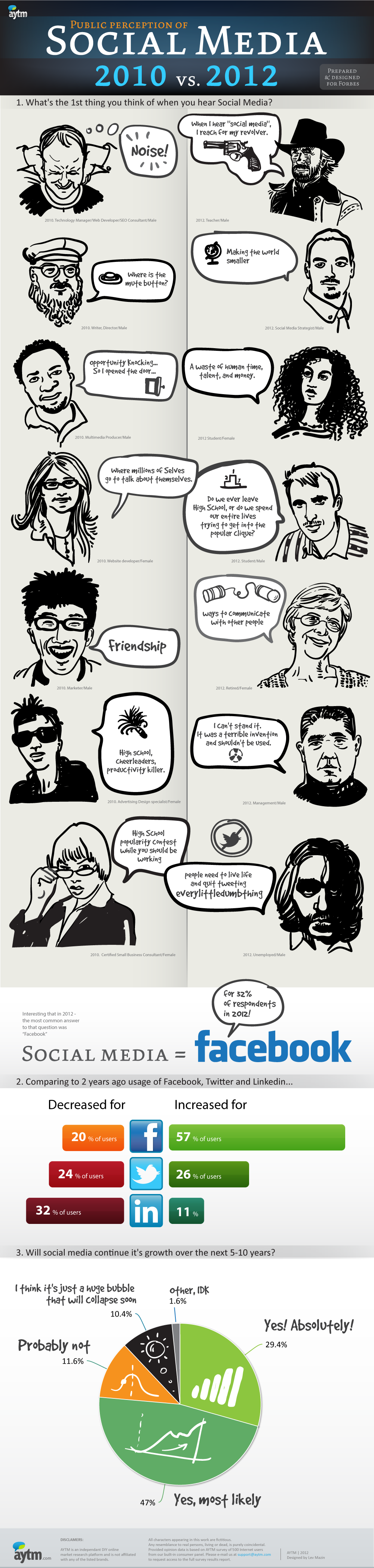


 Warning Sign #1: You can't figure out what all the fuss is about.


 Good – you're here. There have been so many posts flooding the streams about the Olympics, I wanted to be sure I had a title to grab your attention.


| You are subscribed to email updates from Social | Business 2 Community To stop receiving these emails, you may unsubscribe now. | Email delivery powered by Google |
| Google Inc., 20 West Kinzie, Chicago IL USA 60610 | |


Niciun comentariu:
Trimiteți un comentariu