25 New Social Articles on Business 2 Community |

- 5 Twitter Abbreviations To Start Using Today
- 9 Social Tools That Make Being an Expert Easy!
- Just Starting to Engage and Share? Follow your NOOK!
- The Economics of Marriage and Divorce (Infographic)
- Exprestore, A Facebook Commerce Company [Review]
- Central’s Social Media Campaign #whatmenwant [Case Study]
- Social Media and Augmented Reality – A Perfect Match
- Social Media Today – Too Much Why, Too Little How
- What Panda, Penguin and Social Media Really Mean for Brands
- Facebook Timeline For Business Cheat Sheet (Infographic)
- Bathing Suit Or Swimsuit? Test Your Social Messaging
- The Ten Commandments Of Twitter
- Marketing with Social Media is Connecting and Building Relationships
- Hashtags: A Best Practices Guide for Marketers
- On Blog Posting
- LinkedIn Update: Time for a Profile Tuneup
- How to Use Twitter and Facebook for Business, and Pitfalls to Avoid
- Better Social Media Pages = Better SEO
- WordPress iOS Major Update, Big News For Bloggers
- The State Of Social Media Customer Service: The People Who Use It And The Brands That Offer It
- Three Of Four CMOs Say Social Media Impacts Sales
- I’m 25 And I’m Offended!
- Using Twitter Hashtags For Small Business Marketing
- Event Marketing Ideas: Capturing and Curating Social Media Content
- The Power of a First Impression
| 5 Twitter Abbreviations To Start Using Today Posted: 24 Aug 2012 03:05 PM PDT
The above quote rings true when applied to the realm of social media, and whether your social media focus is B2B, B2C or strictly personal, the following abbreviations will help you become a sharing pro.
If you have any questions about Twitter abbreviations or have any new ones to share, please comment below! |
| 9 Social Tools That Make Being an Expert Easy! Posted: 24 Aug 2012 03:00 PM PDT I learned early on in social media that the easiest way to position yourself as an authority, expert or thought leader in any field is to share the content of other experts who have many more years experience and knowledge than you. We're all consuming online articles, blogs and content every day and our job as the audience/reader/consumer is to share the content that we find most interesting or relevant to our "audience" – all the friends and co workers and communities we've connected with online. Gain Credibility By Giving Credit Even more important to recognize is that since we're all learning through trial and error, and social media is always changing, none of us has the same expertise so you can use this activity of sharing relevant content to connect to new people who are at the same level/place as you and those who are just getting started when you're starting to feel like a bit of an expert. Everyone has something they're good at that you can learn by observing their activities, engaging them in conversation and sharing their content when they make a contribution that you appreciate. You can teach them to share your content by setting the example and they will feel good about getting to know you as an "expert" because you've recognized their good work. No matter how much of an expert you are, always remember there will always be people who can teach you at every level. When I was just starting to learn social media, to the people in my community who knew that I was just getting into it (from traditional media), from my consistent sharing of what I was learning & reading, they learned to trust that I was curating the best social media expert content for them, and not claiming credit myself for the content created by others. No matter what your job is, you are an expert at something. If your expertise isn't built in to be a part of your brand, then it probably should be or you're likely to feel the social recourse of being incongruent with your brand (people like to trust they know what you stand for). The easiest and fastest way to develop your personal brand is to share the industry and professional articles you read online, to build an audience of professional colleagues on Twitter, Facebook, LinkedIn, Google+, YouTube and possibly even Pinterest and Foursquare. The trick is to be able to share the content you find quickly and so easily that it seems like you are virtually immersed in it 24/7/365. You could spend hours poring over content and on your social channels to find intelligent content to share, or you could just build sharing of the best content you read into your everyday schedule of activities. Special websites, tools and toolbar buttons (omnipresent on your browser window toolbar, no matter where you go on the web); each of these tools will help you appear and become an expert even if you're just beginning:
If you're like me and find that writing and building your blog posts on your WordPress dashboard is difficult, slow and distracting, you can compose them in a more focused environment like Google Docs which has the added benefit of being cloud-based and giving you access to your document in-progress from any internet connected device anytime you are inspired. To compile together article links for later use in blog posts, I like to use Google Docs & Google Drive that allow me to easily collaborate live with other people and contributors all over the world, without having to share & track multiple versions of a document. Once you've written, curated and edited your content, and posted it to your blog, you can then use all the same tools recommended above for sharing other expert's content to share your own content to your social media communities and other communities of other people who might be interested. A great way to build community is to link to other experts in your content and then share your post to their community, both letting them know about it and sharing it with their audience in a single action. I've always said that social media is about reciprocity and leading by example. If you want people to share your content and blog about you, you have to start by sharing a lot of their content and including them in your blogs posts. If you want people to comment on your blogs, have a blog commenting strategy of your own and become known for your frequent insightful, helpful and complimentary comments on their blog posts. The same goes for Facebook likes, comments and shares; Twitter favorites and Retweets, G+ shares and even Hangout on Air attendees > you've got to give, in order to get. What are your favorite tools for curating or sharing content that save you time and help make other people look good? Want my take on your blogging, social media or business challenge? Leave a comment below, email me at debbie@theSparkleAgency.com or request to join my Wednesday 8pm weekly meetup on Google+ Hangouts on Air by sending me a message at debbie.horovitch@gmail.com |
| Just Starting to Engage and Share? Follow your NOOK! Posted: 24 Aug 2012 02:55 PM PDT Sharing content on social media pages isn't as easy as posting several links or images a day. If it was that simple, then every business owner would be able to increase their fan base just by making repeat posts on Facebook or Twitter. Consumers and fans alike are willing to look at content, but they are not foolish enough that they won't notice when a business is blatantly trying to get them to buy something. Keep your audience engaged and interested by staying focused on what makes you unique to them. Think of it as your nook or expertise and reinforce through articles and blogs what differentiates you and your businesses in your market industry. Don't stray. There are several things to remember when undertaking a content marketing campaign. Stay focused on your niche and ask yourself if what you are sharing follows this easy N-O-O-K rule. N – Make sure content is NON-PROMOTIONAL When using content marketing as a driver of new business it is important to establish trust and the idea that a company is thought leader. Both of these are important in establishing a solid fan base. Putting blatantly promotional content on a social media page is not going to earn either of these two things. The content should always be creative, with a balance of syndicated and original. Never obviously try to sell a product. Just because the content isn't promotional, doesn't mean it should be completely off topic. It should be relevant to the company and the reader. These are the posts that fans will 'retweet' or 'share', and depending on how many friends they have on their lists a piece of content may be seen by thousands of people just by one fan reposting. O – OFFER something to your fans Sharing content via social media is going to gain more fans due simply to the fact that at least one person is likely to repost or retweet the update. This doesn't mean that business owners can't give their fans an additional bump. Fans love giveaways and prizes; offering these things as rewards for reposting a status is a quick way to garner more fans while not spending too much money. If only ten people share the content off of a business's social media page, and each of these ten people have 190 friends (the average friend count people on Facebook have) then 1900 additional people were given the ability to view the content and see exactly the business page that it came from. What's even better is that at this point the fans gained from following their friend's repost may also share the post for a chance at free prizes. O – OPTIMIZE for your fan base Every company wants to get their message out to their fans that will allow their fans to get their message out to others, but there is such a thing as overdoing it. If too many status updates or tweets from a specific company pop up on someone's social media page they may feel as if the company is doing nothing more than spamming. This is the quickest way to lead fans to stop following a page. An optimum amount of daily Facebook updates is often to be reported as about three, but it does depend on your industry and audience. Going much over three can start to crowd up a person's newsfeed or just annoy them that they've seen so much from one business in a day. These updates should also be spaced throughout the day. These should also be spaced out so as to not let a person see back-to-back updates. The same content can also be shared throughout these tweets or updates, but business owners should make sure to vary the title of the post slightly. Likewise… Not posting enough updates is just as bad as posting too many updates. Letting customers forget a company exists is a terrible way to gain and keep clientele. Some experts say that a company should at least create an update once every other day, but this is nowhere near enough for an effective social media or content marketing campaign. Everyone in the world, or even in a city, isn't on Facebook and Twitter at the same time. This means that an update can be seen by ten out of a hundred fans that just happen to be on at that time. If another post isn't made during the day, then the fans that weren't lucky enough to be on during the initial post may never see it. Many social media users don't take the time to scroll back through all of the updates they missed, so maintaining a good balance of not too many updates but enough to reach everyone should be maintained. K - KNOW your audience The content a company uses should be focused towards their specific clientele. If a company sells a clothing line for preteen girls then it is likely not a good idea to post a white paper as content. Any decent business professional knows that they need to know their audience and that audience's demands. Most people like short concise content, especially if they have to read it. Most people in the Internet age also take kindly to videos. Regardless of what mainstream audiences like, however, content should be solely focused on a company's niche audience. Social media marketing is a new frontier that more and more people are realizing is going to have a huge effect on the way businesses work from now on. There's no time like the present for you to start. Keep it simple with a keen focus on your nook… and you will begin impacting your success, today! |
| The Economics of Marriage and Divorce (Infographic) Posted: 24 Aug 2012 02:48 PM PDT Did you know that it has been proven, a married household with two paychecks are more likely to have children that finish college, go on to find a good job and also have a stable marriage? Living the married life is twice as nice. While in a single parent home, Americans with less education are less likely to marry, college-educated Americans are more likely to marry another. With a single parent, almost 60% of births outside of marriage are to women who have a high school-education or less; while less than 10% of the births to college-educated women occur outside of marriage. When two incomes come into play, you have more free time to go on vacation and with single parent homes, money is tighter with less disposable income. Unfortunately, children of single parents are more likely to experience childhood poverty, become teenage parents, act up in class and drop out of school. There’s a dramatic difference in births occurring outside of marriage and it varies by education more than race between 1990 and 2009 to women over 18. In 2009, 61% of women with less than a high school diploma gave birth to a child outside of marriage, while in 1990 the percent of women was only 46. However, women with a Bachelor’s degree or higher giving birth outside of marriage was only 5% in 1990 and 8% in 2009. Therefore, proving to be a large percentage difference in educated women outside of marriage having babies. Studies showed that children who were between ages 12 and 14 at the start of 1996, those who didn’t live with both parents were less likely to have moved up to a high income group 12 years later as adults. So in the end, children with married parents were able to make more money by finishing college and finding a good job then later on in life having a more stable marriage than children raised in a single parent home.
The Economics of Marriage & Divorce by Payday Loan.co.uk |
| Exprestore, A Facebook Commerce Company [Review] Posted: 24 Aug 2012 01:20 PM PDT Commerce on social media especially on Facebook is still a business that is being considered after we had heard brands closing shops on Facebook last year. Exprestore, a Bangalore based company is the new name to surface in the world of Facebook Commerce. Facebook Commerce, is a way by which Facebook users can shop merchandise from their favorite brand pages without leaving the network at any point. In a recent talk with YourStory, Ashish Agarwal, the Founder of Exprestore said that "Exprestore is India's First Facebook Commerce Company. We have developed a Platform for Brands to sell their products and services through their Facebook Page as an Application." The company, which is 2 months old, has helped 45 stores to set up their pages on Facebook. Additionally, it has tied up with EBS and Zaakpay to integrate the payment gateway within Facebook. The story excited me and with the help of the Exprestore team, I was all set to review the store that the company creates for their clients. Facebook Commerce storeShop Here is the store or the Facebook app that Exprestore has created for Johareez, an ecommerce company. On click of the app you would find an attractive Facebook marketplace similar to the screen grab shown below:
The items are listed in various categories to give the fan a better shopping experience. The products that are listed in these categories pop up with more details once you click on the "Buy Now" button. The below screen grab shows you the details once you click on "Buy Now".
Further you can see a bigger image when you click on 'Click to large view'. However, on click of this button the store leaves Facebook and lands on the website of Johareez. I presume that it is a small glitch otherwise it should have shown a bigger preview of the product. You can buy the product or do further browsing after adding it to the cart or even share the items with your Facebook friends. The below screen grab gives you a glimpse of the shopping kart.
Admin Panel for Facebook storeExprestore team provides a backend panel to the clients which they can use for managing the store. So Johareez who is the client of Exprestore, will get a portal from where it can manage the shop. The client can either add or remove categories. Similarly you can add the product to a particular category or remove it. In addition to this, the page also provides a complete tracking of the order details that have been performed by users on Facebook. Thoughts on Exprestore and Facebook CommerceThe app is neat and simple. The backend process is easy to work with. However, the company can work on adding some more features which would make a fans shopping experience better. Such as adding a search feature, showing associated content, better preview, etc. will provide for an enjoyable experience. Exprestore can also think of integrating with the Facebook Open Graph to get an idea of the users interest so that she is better served. Exprestore is not the first company that has ventured into Facebook Commerce from India. Last year, we had reviewed Adepto which was also doing the same with Trolly but recently has pivoted and now it is a social media marketing platform. Along with Facebook Commerce, there are companies like ShopSocially, Badhai.in, 99 Presents, etc. who have ventured into social commerce. Even though there is an ongoing debate that Facebook is not a place where you would love to transact but in India this may differ. One of the growing sectors in India, Ecommerce, where the mullah is today, is already on Facebook if not anywhere else on social media. So the shift to Facebook commerce will be a deliberate move by E-commerce with time. I am convinced that Exprestore has a prospective future in the Facebook Commerce space but are you convinced too? |
| Central’s Social Media Campaign #whatmenwant [Case Study] Posted: 24 Aug 2012 01:00 PM PDT Central along with 22Feet got along to create a social media campaign for their Men's special sale promotion. Facebook Offers and #whatmenwant were implemented on Facebook and Twitter respectively to make it a success. Central, a common name amongst shopaholics, was founded back in May 2004 in Bangalore. The brand known as a vibrant shopping destination offline is also making its mark online. The brand has an active presence on social networking sites like Facebook and Twitter and has been doing pretty well on Facebook. However, the activity on Twitter was a bit let down and to give a makeover the brand got along with the digital agency, 22Feet. Present in 13 Indian cities, Central organizes the "Happiness Sale" every year during the month of July. This year the brand launched an exclusive 1 day 'Men's Special' – where men received flat 50% off on best fashionable brands. The idea was there but the challenge was reaching out to maximum target audience. The brand went social to reap the existing Facebook fan base and at the same time create buzz on Twitter too. Objective of the Social Media CampaignCentral had two primary objectives for this campaign over social media: 1. To promote the one day 'Men's Special' 50% discount on best fashionable brands 2. Strengthen the brand presence on Twitter. Facebook StrategyCentral which already had a presence on Facebook wanted to milk that and the smart move was to try out the Facebook Offers. The brand has a strong fan following of 242K. The brand launched its Facebook Offers for its community and the results were satisfying. Twitter StrategyTwitter as a network was the major focus of the brand. The sale was for men so it was a definite call by the brand to get the men talking. Keeping this in mind, 22Feet launched a hashtag #whatmenwant on 8th August at around 11:30 a.m.
The hashtag was intentionally created to be a generic one so that it gets everyone talking. During the same time, details of the sale and contest was announced too. The Twitter contest promised to offer vouchers to three twitteraties that had interesting tweets. The plan worked and along with men, women too found an opportunity to have some fun.
In fact, some brands joined in the conversation too and cashed in from the popular hashtag that had started to trend.
Campaign Results/ ROIThe brand was successful in achieving its objective. The Facebook Offer was availed by 2,329 people within 6 hours. Results on Twitter were much more appealing. The hashtag started trending in India at No. 3 by 12.34 P.M. and it kept on trending till 9th August in all six cities – Mumbai, Bangalore, Delhi, Ahmedabad, Hyderabad and Chennai.
In addition to this, the follower count bounced from 58 to 85 and at the same time the Twitter campaign created the required buzz for the brand on Twitter. My ThoughtsThe campaign was definitely well planned along with its objective. Fans were aware of the sale and maximum buzz was created by the brand on Twitter. However, using social networks for product promotion or creating buzz is not new. Some time back we had shared the story of Diesel India where they had to create a buzz very quickly about the sale for it's employees. The brand created a flash mob on Facebook to achieve this. In fact Shoppers Stop had done a similar thing some time back with #sstweetstore. However, it is an another story that even after building an exciting game and giving gifts to Twitteraties, the hashtag neither trended nor created the buzz. One of the reasons that we had highlighted in our story was the lack of objective of #sstweetstore. Nevertheless, #whatmenwant had all the ingredients to trend and had a defined objective too. Now the onus is on the brand to build conversations with fans on Twitter going forward. Although not unique, Central's social media campaign was smartly executed and achieved its objective. Do you have any tip for the brand to work on so that next time it can execute it? |
| Social Media and Augmented Reality – A Perfect Match Posted: 24 Aug 2012 12:55 PM PDT For most magazines, the digital trend that has now become the norm has taken a negative toll on sales and distribution. These businesses have had to find new and creative ways to stay relevant in a digital world. For many, this has included social media initiatives as well as mobile marketing. This September however, GQ has taken things a step farther. As the company recently announced, the 2012 September issue will have some exciting new changes; "…the September issue of GQ will be "live," meaning ever advertisement, and some of the editorial content will feature print-to-mobile capabilities; opening up a whole world of bonus content…together they'll bring print content off the page with videos, 3-D imagery, and other features that'll have you reading the mag like never before. Get ready."
On the back page of the magazine, saving the best for last, the Grey Goose advertisement turns to ice using the GQ live app, and defrosts a section ready to play the commercial. Some of the advertisements aren't as interactive – a few simply launch a black screen prompting the viewer to visit the website and shop. Nevertheless, the experience is definitely something different. The editorial spread also allows the reader to transition into videos of footage from behind the scenes, as well as news clips about the featured athletes. Whereas previous one would have to use a QR code to get readers to interact with this kind of content, it is now available directly from one source. Taking full advantage of the possibilities of the technology, the Bud Light platinum and Budweiser advertisements allow the view to connect directly to the brand on social media channels. The possibilities for companies in this aspect are huge. Potential customers can now be targeted in traditional forms of advertising and easily subscribe to a businesses social networks, thus connecting them to the brand for further lead nurturing. Furthermore, people’s engagement with a magazine has expanded – they can share the content in social media, extending the brand reach far beyond the pages of the magazine. Augmented reality has the possibility to bring new forms of creativity to things that people may otherwise find stale. Not only that, but it now gives businesses and brands yet another way to directly connect with the consumer, cutting out a few of the steps that could potentially lose leads. Going forward, it is hard to imagine other magazines won't follow GQ's lead, but their September issues is an innovative first look at what's to come. To begin planning your social media strategy contact Wild Frog Studio at 914.428.4645 or via email. |
| Social Media Today – Too Much Why, Too Little How Posted: 24 Aug 2012 12:25 PM PDT
Where are the how articles? – I am not talking about the auto-following software. I am talking about the steps involved in making social media a reality for a company. This is the problem. I believe it is a big problem. It's easy to run away from the whole ROI movement. The best way I can address this issue is to tell you what I do. I work with these tools everyday in some manner. Here is my PLAN. P – Participate/Plan I get involved by maintaining a company blog and a personal marketing blog I have a plan. I have discovered where my true clients are and I try to listen to them and communicate them. I use Twitter to do a majority of my listening and communicating. My plan starts with a blog post. It is where I start the communication and where I lead people back as a landing page. Try doing this L – Listen/Learn Listen for client needs Stay current on industry developments Follow competitors I do more listening than broadcasting Learn something new each day. It's a never-ending job A – Action Take action – You need to be active everyday to be successful. Make sure you are tracking and measuring your action. You need to start somewhere. Google Analytics and Social Mention are great places. N- Notes Take notes – This is the key. Filter all information received. Right now, I am constantly deciding who to trust and who not to trust. Note the items that are working and say no or stop the things that are not working. Have a plan and keep refining it. No one has all the answers. The only way to be successful is to develop your own plan and follow it to see results. Why would anyone stay in social media if they are not seeing results. Social media is not for everyone. If you are a blog writer and you talk about HOW a lot, I want to connect with you. Send me your link, I would be curious to learn from your experiences. If you are a blog writer and you talk about WHY – It tells me that you are not as active in social media as you should be and you are repeating what everyone else is saying. I can get this type of information almost every day from someone. Start finding out more about HOW! photo credit: waferbaby via photo pin cc |
| What Panda, Penguin and Social Media Really Mean for Brands Posted: 24 Aug 2012 12:05 PM PDT
While her heart is in the right place (encouraging active, useful social engagement by brands), neither the algorithm updates nor Fielding's interpretation of them reveals a direct correlation between social activity and SEO relevance. Though extremely important for an effective content marketing strategy, simply interacting with your fans on Facebook, sharing relevant tweets, and uploading useful videos won't (in and of itself) boost your brand website's SEO ranking. Let's take a look at what Panda, Penguin and social media really mean for brands. Panda and Penguin The 2011 Panda update aimed to remove low-value websites from Google rankings. These are the sites that repurpose (or copy word for word) content from other sites and those that are used solely for linking: in other words, sites that a user couldn't or wouldn't want to interact with. The update affected 12 percent of listings, penalizing, for the most part, overly optimized sites that provided a poor user experience. Since Google wants users to use its search engine repeatedly, that users have a positive experience throughout the content search, including when they click on a result, is paramount. The 2012 Penguin update was driven more by users' experience. The update, which affected only 3 percent of listings, focused on eliminating the sites that use black-hat web spam SEO tactics, like keyword stuffing, cloaking and link scheming. Together these updates cut the legs from under those sites that weren't offering searchers any value, leaving the high-quality, content-rich sites still standing. This is good news only for brands that are continually focused on creating highly useful and relevant content across a variety of channels. Social Media and SEO Social media, including Facebook, Twitter, Pinterest, Google+, YouTube and LinkedIn, also plays a role in the updated algorithms but not in the exact manner Fielding described in her Fast Company article. First, some social-media channels weigh far more than others, mainly because of technical barriers that search crawlers see when indexing them. The weight of these channels are based on how much information Google can crawl without being stonewalled by the social channels. For example, because of privacy constraints, what you post on Facebook isn't seen by Google and has no bearing on your Google SEO listings. Google sees just your Facebook profile and info tab. And if your description on your FB profile and info tab has keywords and links to your other brand properties, you have used that channel for SEO. When you use Twitter, the keywords in your user handle and bio, as well as the link included in your bio, help searchers find you. What you tweet can be seen by the engines (not Google as much as Bing, because of a partnership deal), but most tweets by brands that tweet often may never be seen by an end user, because search engines display only a handful of their latest tweets. YouTube is a lot like Twitter, except that its individual "posts" are videos that have a longer shelf life than that of a timely tweet. One can optimize YouTube profile pages as well as individual video clips that are seen by the engines (especially Google). Ultimately, no one knows (or at least, nobody has proclaimed publicly) how significantly these social channels are affecting search results. Only a handful of Google employees even know the algorithm at this point. The Strategy is This: Create useful, relevant and shareworthy keyword-optimized content, share across other owned properties, and don't worry about what Google may or may not do. As long as your brand always keeps the end user in mind and commits to putting out great content, it will be fine. (image) |
| Facebook Timeline For Business Cheat Sheet (Infographic) Posted: 24 Aug 2012 11:55 AM PDT Happy Friday, folks! As you probably already know and have witnessed multiple times, Facebook is constantly changing its look. Your business needs to keep updated to maintain and increase fan engagement and brand loyalty on your page, but how? If you're searching for a quick go-to guide for optimizing your Facebook business page– look no further! This infographic, brought to us by Hubspot, works as a cheat sheet for any business using Facebook Timeline. Check out these 6 steps to set up your page and get started today. We also offer a more detailed Facebook Timeline for Business Checklist, here. Enjoy!
|
| Bathing Suit Or Swimsuit? Test Your Social Messaging Posted: 24 Aug 2012 11:25 AM PDT If we've said it once, we've said it a million times. Test, test, test! Message testing is often associated with paid search, but it belongs in your social media strategy as well. While we recommend trying differing copy at various times and days of the week to analyze trends in engagement, it is equally as important to test what types of copy resonate best with your audience. First, find the best words. You can use the Google Keyword Tool to search for competitive keywords and search volumes for each. Below is an example of keyword variations you might use in social messaging in order to garner better engagement:
With the integration of social and search becoming more prevalent with each passing day, it is important to note that it is entirely possible for your social messaging to end up on a SERP. This means that you want your messaging to correlate with the highest volume of relevant search queries–or, perhaps for a more targeted post, a long-tail version of these keywords. You can also do a quick search on hashtags.org to see if the hashtags in your social messages are being used frequently. As an example, "#swimsuit" was used four times in the last hour, whereas "#bathingsuit" was used once in the last five hours. This is a quick way to get a top-line feel for what language social users are typing in most. Second, find the best times. Obviously bathing suit and swimsuit season is nearly over with the coming of fall, but for less seasonally-dependent messages, it is important to test various timing. There are a plethora of studies that indicate different times of best engagement (even broken down by industry), but it is smartest to test it for yourself. You might find that your audience engages most in the mornings and not at 6pm. Try first using your best judgment. Think of when you are on social media most (what times of the day and what days). Do not schedule an important message to go out at 4:5opm on a Friday because most people are shutting down both their computers and their brains. When is the best time for a message to reach you on the weekends? Test various times and keep a record of engagement levels as they fluctuate. If there are not specific times that perform wildly better than others; that's OK. Perhaps you can at least rule out low engagement times. Quick tip: Try Hootsuite's Auto Schedule for a few weeks to see if engagement increases. If you have several Twitter handles or Facebook pages, try using auto schedule for just one of them. Schedule the others as you normally would.
Third, analyze your data. All of this testing is designed to get you to an end goal – a greater ROI for social messaging. Once you have tested social messaging, you can use the data you have collected to optimize for the greatest level of engagement. Here is an example of what I mean: After testing "bathing suit" versus "swimsuit," Client X observed that social messaging with the word "swimsuit" got 64% more likes and 25% more comments. It's safe to say Client X can take "bathing suit" out of its social media messaging mix. Next Client X saw that posts containing swimsuit did best at 2pm in conjunction with a photo of a travel destination. Therefore, Client X now has an optimal time to capture the community's attention. How can Client X best capitalize on this? Perhaps it's with a series of photos, asking the community for user-generated content or announcing a contest. The possibilities are endless. Engagement is the first step in analyzing social data but by no means the last. Next comes measuring your key performance indicators, whether it is click-throughs, sign-ups or lead generation. If you do not yet know what your social KPIs should be, read this. If you have no idea how to measure a social KPI, read this. Remember: Testing is essential for any social media campaign–paid or unpaid. The less influencing variables in your test, the better your insight into performance will be. |
| The Ten Commandments Of Twitter Posted: 24 Aug 2012 11:14 AM PDT The proliferation of trolls and fanatics in our beloved chirping microblog has made it urgent to issue some shared guidelines we can all adhere to that can regulate private and public behavior on Twitter. This is my proposal, which I submit to your consideration.
2. Thou shalt not debate sectarians. Twitterland is sadly rife with sectarians of the Left and the Right, defenders of the only true faith and fundamentalists of all political, religious and even sporting persuasions with whom engaging in debate is a futile and at times counterproductive exercise. Don't be tempted and if they become a nuisance, just block them. 3. Thou shalt respect freedom of speech. Everyone is entitled to disagreeing with others' political and religious views, musical, cultural and TV preferences. That does not mean they are ignorant or incongruent, but simply that their views and preferences are not yours. Learn to live with and respect that. 4. Thou shalt not applaud sexist, racist, homophobic and other discriminatory statements. Even if they are done in jest, I hasten to add. The last thing we need is for Twitter to become fertile ground for bigots. Expose them and don't laugh at their jokes. 5. Thou shalt not demand answers to your queries. Private tweeters are under no obligation to reply to your queries let alone solve your doubts and problems. Don't be demanding when you don't have a right to be so. 6. Thou shalt not demand RTs. If you wish for others to retweet your contents, by all means feel free to ask: but please remember that you are not entitled to demand it. Others may not always appreciate their value or simply will not want to become associated with the content or tweet in question for reasons they are under no obligation to justify. 7. Thou shalt not judge others' Twitter style. In the Twittosphere there are radically different interaction and engagement approaches: those who follow back, and those who don't, those who comment on any tweet that comes their way and those who don't, etc. They all have the right to manage their accounts as they see fit and no one to impose their preferred style on others. 8. Thou shalt not copy other people's contents. If other Tweeters post original content, you are under the moral and legal obligation to give them credit respecting the original Creative Commons or copyright license if you republish it in your web or blog. Acting otherwise is a stark violation of piracy laws and simply not acceptable. 9. Thou shalt not spam. Spam is one of Twitter's worst enemies and a 'zero tolerance' policy against spam must be permanently enacted to preserve the integrity of the microblog. Say 'no' to spam under all its guises and report spammers. 10. Thou shalt not spread rumors. Purposefully misleading or lying in Twitter hurts people and will get you into hot waters sooner than you think. If you are unsure of the provenance of a piece of news, don't report it; if you know the source, include it in the original Tweet. Beware of sensational, unqualified 'breaking news' and check twice before retweeting. Unlike the original Ten Commandments, these are not inscribed on tablets of stone and I look forward any other recommendations you may have in order to preserve Twitter as a haven of respect, tolerance and freedom. Thank you all. Author: Oscar Del Santo is a lecturer, consultant, key speaker, blogger and populariser of online reputation and inbound marketing in Spain. He has been extensively featured in the Spanish and Latin American media and is included in the 'Top Social Media Influencers' and 'Best Marketing Tweeters in Spanish' lists @OscarDS. He is the author of 'Reputacion Online para Tod@s' and the co-author of 'Marketing de Atraccion 2.0'. |
| Marketing with Social Media is Connecting and Building Relationships Posted: 24 Aug 2012 11:11 AM PDT Do you find yourself un following more people than you follow when it comes to marketing with social media? Is that right? Who knows, but the point is users don't want their entire timeline taken up with affiliate offers, messages to get 20 Gazillion Twitter followers or Facebook Fans for £10, or the same message from 5 different Twitter accounts. As much as the profile pictures of scantily clad young ladies make you look twice, you know that is not the person who's posted the picture. The person behind the account will not look like that, in fact their name is probably Bob, he'll be 47 years old and will live at home with his Mum. Practicing these spamming techniques doesn't add value to anyone and downgrades the true purpose of the online community for so many talented and interesting people who are truly looking to leverage their businesses or careers by marketing with social media. Interestingly if you want to find out what percentage of your Twitter following is real, then Francisco Rosales wrote a post – What percentage of your Twitter followers are Fake – that you might want to take a look at. If you just want the application so you can test for yourself then it is Fake Follower Checker. The numbers involved when marketing with social media suggest that you will not know everyone on your social media profiles but there are some great people who you have yet to communicate with or in fact would like to communicate with. While conversations should always be natural, the good thing is that with a bit of preparation first before marketing with social media can be a lot more beneficial. Marketing With Social Media the Right WayChoose your platform Facebook, Twitter, Google+, LinkedIn, Pinterest: the list is endless and in reality you will not have the time to build and cultivate relationships on all of the social media platforms at the same time. So before jumping in take the time to find out which platform is most relevant for your individual goals. If you focus on business you might want to pick LinkedIn or Google+, if your interests are visual then you may think about Pinterest. Whichever platforms you choose pick one or two that are the most relevant and then find the groups or influencers that are relevant to you. Watch, Learn and Listen There are many ways to fail in social media and going at it like a bull in china shop is not the best way to get started. Sit back, relax and learn how people interact, what types of content get the best reactions and then in line with your goals produce content that will help you achieve those goals and stand the best chance of getting shared. Seek out the influencers. This watching stage will help you seek out the people who get engagement; people answering their questions, sharing their content and generally being interested in what they have to say. Share their content, ask them questions, and leave your opinion on their posts. Don't be put off if they do not thank you or reply to your comment immediately or even ever. The fact of the matter is influencers get hundreds of comments and therefore may choose to only respond to the best ones that incite a reaction in them. So make your comments count, a comment that just says "great article" is not going to get you very far. Think about it! Regularly update & contribute Turning up to someone's house and sitting in stony silence would be boring and could result in you getting up and leaving. Give people a reason to stick around and follow you. Make sure that you regularly update your content and contribute to conversations in and around your niche. As with anything the more you contribute the more people will see and take note of what you are doing, how you are doing and want to learn more about you. If your contributions are quality and they instil a reaction then over time you will get noticed. When Marketing with Social Media be Honest and GenuineIf you are truly knowledgeable and passionate about a topic or a niche then this will shine through. Don't force the issue, but at the same time be honest with your opinions. You want people to have an opinion about what you are saying because that is the spark needed to engage conversation. Marketing with social media is connecting and building relationships, not sales pitches and offers. Build up your relationships bit by bit and before you know it, you will have a group of people that are interested in you, in what you have to say, in what your business is trying to achieve and will be more than happy to share your knowledge with others that they know and trust. |
| Hashtags: A Best Practices Guide for Marketers Posted: 24 Aug 2012 10:40 AM PDT
I’d venture a guess that a majority of today’s marketers spend at least a portion of their day on Twitter. The microblogging site has become an invaluable tool for engaging with customers, listening in on conversations around your company, and keeping an eye on the marketing industry. However, with over 100,000 new tweets per minute (no seriously – that is the real statistic!) trying to glean useful marketing information from the network can be like drinking from a fire hose. An easy way to categorize and organize all of this information is through hashtags. You’ve probably heard the term used liberally across the internet and seen it pop up in more than a few tweets, but what exactly are hashtags and how do we use them? We’ve put together a quick guide below to answer these questions. What is a Hashtag?Hashtags are unique identifying words or phrases, preempted by a pound sign (#), and spelled out with no spaces. These hashtags serve as unique identifiers to tie together conversations around a topic. For example, if I were to tweet out this article, I could add the hashtag #twittertips to have my tweet grouped with other helpful posts regarding twitter. You can search for hashtags in the twitter search bar or through services like Tweetdeck and Hootsuite. Why use a Hashtag?Using an appropriate hashtag can give your tweet added visibility after it's posted. Your tweet will not only show up in your own activity feed, but also in the feed associated with a given hashtag. This gives you access to a relevant audience that may not have even been aware of your company. Hashtags are pretty helpful, right? They can be a quick and easy way to widen your reach while staying focused on relevant topics and conversations. But before you get started, look at the best practices Pardot put together below to help you maximize your hashtag’s impact and keep you out of trouble: Research the Hashtag Keep it Relevant Short and Sweet You can download these tips and more in Pardot’s useful Best Practices Guide, featured below:
Hashtags can be a dead simple way to give your tweets some much needed visibility and to find new and relevant audiences. As long as you are careful about the process and follow the suggested best practices (you don’t want to end up like RIM!), you should see a rise in twitter engagement. All because of a simple addition that takes a matter of seconds! Are you using hashtags? I would love to hear your thoughts and stories in the comments down below! |
| Posted: 24 Aug 2012 10:00 AM PDT
When it comes to creating epic content for our blogs many of us sit down, spend some time researching keywords, then the topic and finally blasting away at the keyboard until we've got a finished product we can publish. Time consuming? Perhaps but necessary for sure if you're hoping to succeed in the blog posting world we live in. There is so much more that could and should go into a successful blog post launch. I call it a launch because of all the steps that go into the process it's kind of like having mini launches on your blog every week, or even every day if you post that often. Now it can be easy to overlook a few key components or neglect a few steps, possibly because you don't see the value in them or because by the time you've finished the process you're currently doing you feel like you've already invested enough into it. I thought I'd write out a quick plan for you to use when getting ready to write that next epic piece of content! Feel free to compare your current posting technique against the strategy listed below and if you feel that yours is more comprehensive or delivering superior results then by all means you should stick to it. In fact I'd love to hear about it so I can adopt my own strategy to incorporate those aspects into it that I'm overlooking.
|
| LinkedIn Update: Time for a Profile Tuneup Posted: 24 Aug 2012 09:40 AM PDT You might have noticed something different about your LinkedIn profile the past few days. LinkedIn this week began a roll out of a redesign for its profile pages as part of an overall upgrade of its appearance and functionality. If you rely on LinkedIn for business networking, lead generation or social media marketing, this is a good opportunity to review your profile to both make sure it’s up-to-date, and that the new look isn’t costing you an opportunity. The most noticeable change is the thumbnail that viewers first see when they view a profile. The picture is more pronounced, and many of the links to current and past jobs or previous education are no longer available. In the old design (shown here), multiple links for current and previous positions were visible, along with a full eduction history from this thumbnail.
The old design also displayed featured websites and blogs in this area, providing an opportunity to promote them. In the new profile design (shown below), only one current job, one past job and one education entry are listed in the thumbnail box. Website listings and other contact information are not visible until a viewer clicks the Contact Info icon at the bottom right of the box. Proponents say the new design is cleaner and more pleasing to the eye.
LinkedIn confirmed the design changes in a statement to the Los Angeles Times. “We are focused on making it easier for LinkedIn members to get more value out of the services we offer by creating simpler, more relevant, more social experiences,” a company spokeswoman said in an email. “This new look and feel to the profile is the first step of many more exciting changes to come to the LinkedIn profile later this year.” While the changes appear subtle, they could have an impact on the ability of searchers to find your profile on the service, or to quickly glean information about you. Wayne Breitbarth, author of Power Formula for LinkedIn Success, shared his concerns how the changes could hamper folks who have come to rely on the way Linkedin worked prior to Monday, and that have fully optimized their profiles to take advantage the social media channel. “Everything is still there, but it has moved around,” Breitbarth said. “It’s going to take some research to see what strategy changes are in order.” One of Breitbarth’s primary criticisms of the redesign is the elimination of the job history, education and web information from the thumbnail. While some have described the changes as elegant, Breitbarth says end users have lost the ability to quickly gain an understanding of who a person is by looking at the thumbnail. Without the multiple current and past job entries, a searcher doesn’t readily see information such as involvement with charities or service on non-profit boards. “I can see less of what you are involved with. I have to scroll down the profile now to get a feel for who you are,” he said. Breitbarth also raised a red flag over the pronounced importance of the summary section of the profile. The biggest problem here, he said, is that 50 percent of LinkedIn users have never completed the summary section of their profile. Those people may now be much harder to find and could be missing out on opportunities. Many of those who do use the summary use it primarily as a listing of skills or specialties. Now would be a good time to revise that content into story form, making sure to keep your keywords prominent. Other redesign concerns:
LinkedIn is still a powerful business tool and lead generator, Breitbarth said. He is currently working on a second edition to Power Formula for LinkedIn Success. He will certainly be keeping an eye on the effect these recent changes have on user profiles so he can include the latest strategies when the new edition goes to print. Until then, he suggests that LinkedIn users use the redesign as an opportunity to check their profiles and make sure they are up-to-date. Priorities include:
In addition to his book, Breitbarth has some great tools at his website that can help you determine keywords for your profile. Even with the changes, one of LinkedIn’s core functions is as a search tool for business professionals, which means making sure you take advantage of opportunities to use relevant keywords for your profession or business. Frequent checks of your LinkedIn profile should be part of your regular social media routine. For additional guidance to fully optimize your social media marketing profiles, download a FREE copy of our Social Media Optimization Playbook.
|
| How to Use Twitter and Facebook for Business, and Pitfalls to Avoid Posted: 24 Aug 2012 09:30 AM PDT Facebook and Twitter can be effective marketing channels for media and entertainment companies. In order to successfully utilize them, you need to understand what each is good for and align your strategies and resources accordingly. By understanding what challenges two of the most popular social networks face, you will be able to better execute your marketing strategy. The main issue with Facebook stems from the fact that it engages the already Are you feeling disconnected with the Facebook Connect feature? While it improves registration conversion rates, Facebook Connect lacks in terms of quality registrants. When a user is after a piece of content, there is a lack of engagement in terms of information he provides. There is always the possibility to collect additional information with some work on your end. But, do you want to go through the trouble of collecting this information on a marginally-valuable user? Don't get me wrong; Facebook is a valuable platform for engaging fans of your content. But, you shouldn't expect it to drive a lot of traffic back to your site. Visitors are on Facebook for a reason and they don't want to leave the site. Although advertising doesn't work ideally on Facebook, a recent study by comScore did show that Facebook ads can drive sales. This kind of advertising works for products, but does it work for content as well? Media and entertainment companies might have a hard go of it since they are generally trying to drive awareness or encourage users to tune in. The Facebook ad model optimizes on click rather than reach. Since many times there is no immediate call to action, those companies end up reaching the same user over and over. Advertising for media and entertainment is just not as effective as opposed to a company that has an actual product to sell. Twitter works in a simpler, straight forward way because of length constraints on posts. It is in fact more of a news and information platform that has the ability to drive traffic towards company sites. Twitter has the ability to build a strong following through presence. News anchors and columnists can draw engagement. Celebrity also has a strong presence. Someone like Ashton Kutcher has a great impact on Two and a Half Men. At the same time, he is not solely tied to the hit show. Different projects and connections need to be kept in mind when there is reliance on a person to drive interest. The different purposes of the two channels should be utilized for optimum results. Use Twitter for quick communication about relevant news and important information. Limited content works in your favor here and can drive traffic to your site. Use Facebook in a way that keeps those who are already interested around. It's a great place to receive feedback and create communication with the customer. It's not all about collecting Likes and your advertising dollars might serve their purpose better in a different environment. Don't you think that knowing the drawbacks of both Twitter and Facebook can strengthen your marketing campaign in the world of social media? |
| Better Social Media Pages = Better SEO Posted: 24 Aug 2012 09:15 AM PDT
When Google releases an update, every business should be paying attention. The newest update has integrated social media as a part of search rankings, especially Google+. Google has made having a Google+ page important in their search ranking algorithm. Google has recognized that the companies involved in Social Media would be the best for the searcher. Why? Well, it shows that the company is keeping up with the current business world, the company is active, and the company likes to interact with their customers. This is the standard today. However, if you missed the train on this one, you still have time to get on board. Pay more attention to your pages and update them more often. Keep in touch with your target audience and they will want to keep in touch with you. At this point you should be set up with at least: Here is a list of tips for keeping active with your Social Media Pages Post updates at least once a week If the host of the social media page doesn't stay involved with the page, than why would anyone else?! Keep the posts coming, don't flood everyone's twitter feed, but make sure you stay active. Provide engaging content One of the main goals is to drive your customers to react to your post. Get them to engage in the content to find out what they are talking about. This could help you find out what your target audience feels is important when they are looking for products like the one you offer. Encourage staff involvement Urge your staff to make some posts, have them post some comments. Sometimes showing that people are commenting helps your audience to interact. A lot of people are a little skittish when it comes to making the first comment on new content. Set goals for your Social Media Strategy Do you want more likes? More tweets? More shares? If so, set a number and see if you reach it. If not, you may want to alter your strategy. Pay close attention to comments See what is being talked about in the comments and engage with the customers. See if they have any questions or need more information. This is another way to use Social Media to get more leads and it shows you are there to help. Find out how well you are doing with your social media strategy by using our social media checklist! |
| WordPress iOS Major Update, Big News For Bloggers Posted: 24 Aug 2012 09:11 AM PDT There’s always cause for celebration when one of my most frequently used iPad apps gets an update.
Other key features which are going to make blogging easier; The new side bar navigation is so much more user friendly and robust and using Jetpack to track stats is now easier than ever as well. There are no changes that stood out to me with the text editor, other than the ability to add and record videos right from the application, which is big. I appreciate anything that can streamline the blogging process and this update has done exactly that.
If you haven’t downloaded the update, what are you waiting for? It’s like opening a present when you launch it and you’ll be pleased with what you find. If you have downloaded the update, what did you think? Are you enjoying it as much as I? Thank you WordPress For making blogging and sharing ideas even easier with this great new update! Thumbs up from this writer/blogger!!!! |
| The State Of Social Media Customer Service: The People Who Use It And The Brands That Offer It Posted: 24 Aug 2012 08:35 AM PDT If you have read any of my previous blog posts, you know that I have a weakness for online shopping. One of my favorite shopping sites is Rue La La (I actually write about the company here). I have spent an embarrassingly large sum of money on clothes, shoes, accessories, and home goods, and I am always satisfied with the products and the service I receive from Rue. However, I recently bought a pair of shoes (some pretty styling leather slingback pumps), and after two brief wearings, found that the shoes were noticeably damaged. I sent a message to Rue La La customer service via the website, explaining the situation and hoping for credit, or if a customer service rep was feeling generous, a refund. I figured this was wishful thinking, as I had already worn the shoes. However, less than two hours after sending my message, I received a response from a Rue La La rep apologizing and instructing me to send the pumps back for a refund.
This personal email is, to me, the quintessence of good customer service. Earlier today, I was perusing the Rue La La Facebook page, and I noticed that many people used Rue's Facebook wall to praise the site for high-quality merchandise they received, ask questions, or voice a complaint. Rue La La responded to nearly every post in a timely manner, and they directly addressed disillusioned customers by offering them a specific solution. Now, I chose to seek customer service directly through Rue's website, but other people used social media to solicit a response. I actually thought about posting on the Rue La La wall, but I figured that I would have a better chance of receiving a response through the comment form on the site. But, clearly Rue La La doesn't discriminate when it comes to customer-service-related inquiries: they address all comments and complaints quickly and efficiently, regardless of where these comments originated. This actually surprises me, because I have witnessed numerous times companies outright ignore wall posts. So, I started thinking about companies that deliver customer service through social media. Was I right in believing that businesses are more apt to address complaints via email than via Facebook or Twitter? Also, what specific businesses skillfully integrate customer service into their social media campaigns—and which ones fail at attending to their disgruntled, displeased, Tweet-happy, Facebook-happy consumers? I think that providing customer service through social media channels is kind of like communism or McKayla Maroney on vault: it's great in theory, but easy to slip up on the execution. Is this viewpoint accurate? Summer 2012, Steinbeck StyleApparently, the summer of 2012 is the Summer of Our Discontent (shout out to all you literature nerds who understand this Steinbeck reference!) when it comes to brand-consumer interaction via social media. While gathering research for this post, I Googled "social media customer service." Here are a few of the results on the first page of Google News:
It looks like social media screw-ups by major brands are more common than "Call Me Maybe" covers, and news of these social media gaffes spreads faster than the People magazine's presumably frantic attempts to get all the details on Jennifer Aniston's engagement, find some way to tie Angelina Jolie into the mix, and get the story to press by Wednesday. These Google search results make it seem that brands still don't have a handle on social media, but these are only one part of the picture. To get the whole picture, I sought out some research. The Research on Social Media Customer ServiceWho's Offering Social Media Customer Service:
Who's Using Social Media Customer Service:
Now while it seems that only a minority of people use social media for customer service, this number is actually deceiving, because social-media-savvy consumers are very vocal and engaged. The general population is willing to pay 13% more at companies that provide great service. Social-media-savvy individuals are willing to spend 21% more. They're also invaluable when it comes to word-of-mouth marketing: they tell 3x as many people about their positive experiences compared to the general population. However, the engagement of social media savvy customers can also work against companies. These customers are vocal about positive experiences, and they're outspoken about negative ones as well. 55% of the general population has walked away from a purchase because of poor customer service. 80% of social-media-savvy consumers have abandoned purchases because of a bad customer service experience. Also, they tell 2x as many people about negative experiences compared to the general population. Clearly, people who use social media are valuable customers, not only because of the money they spend but also because of their tendency to broadcast their experiences—both the good and the bad. I would argue that courting the favor of these consumers is a wise investment. The problem is that many companies fail to meet the expectations of consumers.
Now, Rue La La might be an exception to this, as they respond to all of the comments on their Facebook wall very quickly. Maybe I could have posted on the company's Facebook wall instead of submitting a form on the website and been pleasantly surprised at the timely, friendly response. But, I think the fact that I'm skeptical of companies' ability to readily deal with any type of feedback (whether positive or negative) addressed to them through a social media outlet is well-founded. Actually, when companies like Rue La La respond to people, I'm shocked because I expect virtually nothing from businesses on Facebook and Twitter. How did I become such a social-media cynic? Through occurrences such as these: A Serious Social Media Faux Pas by ProgressiveThe family of a woman killed in a car crash wrote a blog post (and sent out some tweets) that criticized Progressive for fighting to avoid paying a claim. After the blog post went viral, Progressive tried to address complaints through Twitter. This is the problem:
Image Courtesy of NBC News Progressive sent out automated responses; consequently their sympathy and/or respect for the "tragic case" seems completely non-genuine. They claim to care about the case, but this claim appears to be disingenuous and insincere due to the fact that they sent out completely generic, copy-and-paste tweets. They took a bad situation and made it worse. Now, this isn't customer service per se; however, part of being able to deliver customer service through social media is knowing how to converse with consumers. Progressive either doesn't know how to engage in a company-consumer dialogue, or they seriously faltered in this case. Now, I know this is just one example, but I think it's part of a larger trend. Consider this: CNBC recently talked about the world's most "liked" brands on Facebook, so I decided to look at the 15 most-liked brands and see how engaged they are with customers and if they provide any sort of customer service. 12 out of these 15 brands closed their walls, so fans don't even have the option of voicing a complaint or asking a question (unless they choose to do so by commenting on a post). Only two brands responded to comments/questions/complaints (nice job, Victoria's Secret and Target). Going Viral and Cramping Companies' StylesAs I was writing this post, I considered the following: why should companies offer social media customer service? McDonald's doesn't; Starbucks doesn't; Coca Cola doesn't. All of these companies are doing well financially (obviously), and all of these companies have closed their wall to Facebook comments. A company's success is not dependent on its ability to deliver customer service through Facebook or Twitter. However, in our social-media-saturated society, I think a company has to be meticulous about delivering quality service because of the concept of virality. Because of Twitter, Facebook, YouTube, and blogs, content spreads faster than Liz Lemon inhaling a sandwich while in line at Airport Security. This can be great when businesses do something right: a man recently addressed a Facebook post to Panera, thanking Panera for providing his grandmother with her last meal. The post went viral, and it currently has 731,654 likes. This kind of attention is like free positive publicity. However, virality can also be free negative publicity. Progressive's Twitter gaffe is one example. United Airlines received a whirlwind of negative press when news broke that the airline "lost" a 10-year-old passenger. United also gained some not-so-desirable attention when someone had his guitar destroyed by United's baggage handlers. The airline repeatedly refused to pay for the damages, so the passenger wrote a song called "United Breaks Guitars." It has been viewed over 12 million times on YouTube. And I can't forget to mention the oh-so-popular video of a FedEx delivery man throwing a package that contained customer's computer monitor over the gate of the customer's home. My Ode to Rue La LaTo bring this blog post full circle, I'll return to the topic of Rue La La. Given the fact that many brands do not yet have a handle on social media customer service, the fact that Rue La La addresses complaints posted on their Facebook wall is impressive. Perhaps I'll take a cue from "United Breaks Guitars" and make a video praising Rue La La. To maximize the chances of it going viral, I'll need one guitar and some cats. Or maybe just one cat—the Nyan Cat.
(view original post via Mainstreethost) |
| Three Of Four CMOs Say Social Media Impacts Sales Posted: 24 Aug 2012 07:11 AM PDT Not long ago I wrote an article on the use of social media among CEOs and how many often talk the social media talk on behalf of their brands/companies but very few actually walk the social media walk for their own personal use. Today comes results of a survey conducted by Bazaarvoice of 100 members of The CMO Club. Now while I realize the sample size is small (100) it is worth nothing that 56.1% of the brands represented have more than $1 billion in annual revenuewhile another 36% have $100-999 million in annual revenue, and just 7.9% have annual revenue of $0-100 million.  Entitled "Chief customer advocate: How social data elevates CMOs" the survey and subsequent white paper "reveals the results of an online survey of 100 members of The CMO Club, which includes CMOs of business-to-consumer and business-to-business organizations." Entitled "Chief customer advocate: How social data elevates CMOs" the survey and subsequent white paper "reveals the results of an online survey of 100 members of The CMO Club, which includes CMOs of business-to-consumer and business-to-business organizations."Key findings include:
As for the impact CMOs believe social media has on sales:
While I'm not sure why the folks behind this survey/white paper decided to "water down" the confidence quotient, if you will, by inserting the word "somewhat" in the subhead in the chart above, especially when they did not use the word in the headline – but regardless the fact that so many of the CMOs surveyed identified social media as having such a profound impact on sales, as well as brand awareness and loyalty speaks volumes. It speaks volumes in that CMOs, perhaps unlike their fellow C-suite residents (CEOs), realize that social media is here to stay – yes there are those still on "it's a fad" bandwagon, and that it can have a significant impact the things that matter most, AKA the bottom line and brand loyalty. It would also appear that CMOs realize that social media is a direct reflection on the world around them – the world where consumers live, work and play. While not crazy about the use of the word "somewhat" again, the graph below shows that a large number of CMOs surveyed believe that social media is effective for identifying discernible trends among consumers with the word "discernible" being the operative word for sure. The graph also reveals how CMOs believe that social media does a great job at reflecting consumer sentiment.
CMOs Are "Customer Champions" Erin Mulligan Nelson, CMO, Bazaarvoice used that term in discussing the findings of the survey, saying "In a consumer-obsessed C-suite, the CMOs are the chief customer advocates and social (media) data is their ultimate weapon. Social data lets CMOs truly know their customers and predict consumers' future needs before they even have them. Nearly all CMOs now use this data to drive decisions. As the business world re-centers around serving and delighting consumers, social data is turning CMOs into customer champions — and heroes within the C-suite. And as an industry, we have just started to tap into the potential of social data." She is dead on when she says that we have just started to tap into the potential of all the social media data of course as we are just now beginning to realize the sheer magnitude and power and scope of the mounds of data. Given the fact that we as consumers now create as much information every two days as we did from the dawn of civilization to 2003, I would say Acxiom CMO Tim Suther was correct when he referred to it as a "tsunami of data" in an article I wrote back in February entitled How To Rein In The Riches Of Big Data. The aforementioned article also speaks to the inherent dangers brands and businesses face when deciding what to do with all this new found data and the possible legal ramifications therein. Sources: CMO.com, Bazaarvoice, The CMO Club Named one of the Top 100 Influencers In Social Media (#41) by Social Technology Review and a Top 50 Social Media Blogger by Kred, Steve Olenski is a freelance copywriter/blogger looking for full-time work. He has worked on some of the biggest brands in the world and has more than 20 years experience in advertising and marketing. He lives in Philly and can be reached via email,Twitter, LinkedIn, or his website. |
| Posted: 24 Aug 2012 06:10 AM PDT As a 25 year old that has involvement in my company's social media campaigns, I wanted to hop on the bandwagon of replies against Hollis Thomases and her article, "11 Reasons a 23-Year-Old Shouldn't Run Your Social Media" and offer some reasons why I feel 20+ year olds should manage your social media platforms. As I scroll through the hundreds of responses that this article garnered I notice how offended my fellow mid-20s peers are. Hollis suggests we aren't mature enough, our friends are volatile and not to be trusted, and our communication skills rival that of a rock. I must admit that I felt slightly insulted myself. With that said, I can understand some of Hollis' points and within my time with my company's social media campaigns there have been a few flops and cringe-worthy posts. However, like any role, I think they're a learning experience and I don't think my age group should necessarily be the center of the attack. Because of this, I'd like to defend my 20 something peers and offer these suggestions to support 20+ year olds in Social Media positions.
So yeah – I was offended by that article, I think it was stereotypical to suggest that 23 year olds are immature and ill-fit for a job in Social Media. With all of this said, the person that should fill your Social Media position is the person that is the most qualified based on the criteria set by the Company regardless of age.
|
| Using Twitter Hashtags For Small Business Marketing Posted: 24 Aug 2012 05:55 AM PDT If your business isn't using Twitter yet, you should consider adding Twitter to your social marketing toolbox. Targeted Twitter efforts could really help your business grow. Like Facebook, Twitter offers great ways to connect with customers and potential customers. (It's also an excellent market research tool, too.) Twitter hashtags are invaluable social media tracking tools.A Twitter hashtag is simply a word or phrase, without spaces, prefixed by a "#". You can add to hashtags to your tweets like this: #hashtag. The hashtag makes it easy for conversations to be tracked and found because they can be searched in groups on Twitter's search function. If you are trying to reach a specific demographic or want to participate in a specific discussion, conversations, industry or topical chat, on Twitter — they often include hashtags predetermined by discussion or event organizers. You can be an organizer, starting your own hashtag, or you can simply add a hashtag when you believe something is relevant to a specific topic or existing conversation. If you are new to Twitter and want to use find a specific topic via hashtags, you can simply search Twitter for the #InsertYourTopicHere and you'll find all conversations that use that tag. Here are 5 examples of ways to use a Twitter hashtag:
Pinterest and Instagram Use Hashtags, TooJust like a hashtag will help you track and be tracked on Twitter, the same goes for popular sites Pinterest and Instagram, too. Tagging photos with relevant keywords and hashtags is important because search engines cannot read the content of a photo. Hashtagging photos will help the right people find your images and posts and ultimately drive more traffic to your blog, website, or other digital media assets. If you tag photos catered to your industry it could help you develop a profitable following. And because these sites have viral potential your creativity and ingenuity could result in people posting what you've posted — which brings you increased visibility and potential. Cautions
Adding Twitter to your social marketing efforts could bring your business new followers. This free and effective social marketing tool could help you grow your business and nurture customer relationships. If you want to share a post or talk about Growth University on Twitter, feel free to use the hashtag #GrowthU |
| Event Marketing Ideas: Capturing and Curating Social Media Content Posted: 24 Aug 2012 04:30 AM PDT The social energy of a special event — whether it's a large convention or small reception — can be intoxicating. With a little planning and promotion, you can extend the buzz by capturing and curating online content. In a previous life, I planned and promoted events for a busy association. (By busy, I mean we produced more than 100 events each year.) Why should you make time for online content when you're that swamped? There are many reasons, but I'll mention a few of my favorites here:
How do you encourage participants to share tweets, photos, videos, and other posts from your event? You can set up a contest and award prizes. But the truth is, most people are eager to share and connect, so extra incentives aren't usually necessary. You should, however, do everything you can to make it easy for attendees to create and publish content on-site:
This should go without saying, but it's important to make your guests feel like it's okay to post online. When moderators or speakers make a big deal about turning off electronic devices, it often sends the wrong message and ends up alienating those who are more comfortable learning and networking by interacting online. After the event, it's time to curate a summary. At our annual conference, the sheer volume of mentions was overwhelming. By sifting through hundreds of tweets, photos, videos, blog posts, and presentation slides, we were able to develop a multimedia synopsis that was viewed by more people than attended the event in person. To create our social summary, I used Storify, a free online tool, to collect, display, and organize the most interesting and popular content. (Your Storify summary can be embedded on your website, or you can curate by hand and add individual pieces of content to your event page.) We posted a link to the summary on our social outposts, and also included it in all of our post-event email correspondence. One of the best things about capturing and curating content at events is that it's so easy and inexpensive. For a large trade show, we decided we wanted to have a "correspondent" (a.k.a. member volunteer) interview exhibitors so we could splice together a lighthearted but informative video for our YouTube channel. We recorded the video with a consumer-grade digital camera and mic adapter, then edited in iMovie. We made the "correspondent's" microphone was a plastic pipe, a couple pieces of foam, and some gaffer's tape. You can do almost anything with some basic technical skills and an active imagination. Lack of budget is no longer an excuse for not producing your own content at an event. Wrangling content at events takes time, planning, and commitment, but it's a small price to pay for some of the most genuinely enthusiastic word-of-mouth marketing you'll ever find. I hope you'll try these ideas for using social media content to earn positive word-of-mouth marketing, increase engagement, and gain audience insight at your next special event. If you do, let me know how it goes! Or share experiences you might have had in the past with event marketing in the comments below. |
| The Power of a First Impression Posted: 24 Aug 2012 04:05 AM PDT
First impressions don’t just happen when meeting friends of friends, a potential date, or on a job interview while out in the real world. They happen each and every day on the Internet as well, which coincidentally enough, is where people seem to judge and make first impressions either more harshly, or favorably — depending on the content. When people come take a visit to your website, it takes less than two-tenths of a second for them to form a first impression, according to recent eye-tracking research conducted by the Missiouri University of Science and Technology. Now, we’re not talking about Facebook, Twitter, or Instagram (which are all very good examples of how to use the aesthetics of design to make a good impression) but the web pages of businesses, tech sites, and blogs. When first encountering a site, viewers spent 2.6 seconds scanning it before focusing on a particular section. They then spent an average of 180 milliseconds focusing, or “fixating,” on one particular section before moving on. By using eye-tracking software and an infrared camera, researchers monitored the eye movement of participants while they scanned web pages. There were seven sections of the websites that attracted the most interest from participants: the logo, main navigation, search box, written content, site’s main page, social links, and the bottom of the site. By understanding how these seven areas of the site are viewed by visitors, it will give you the knowledge to make the necessary improvements, which are imperative to getting people to spend more time on your site. While color wasn’t studied, it was noticed that people reacted more favorably to pleasant, attractive colors and easier-to-read text color contrast. Images also played an important factor, with viewers favoring more appropriate images.
via: Webs |


 Here is the problem with today's social media. Everyday there are people explaining what Twitter is, what Linkedin is. Why companies need social media? What will happen if they don't use social media.
 An
An 


 Blog Post Launch


 engaged. With the Like button, the associated word of mouth is not an effective recall of commercial posts within friends' feeds. But at the same time, Facebook is using the said Like button to track both users and anonymous visitors on your site. Facebook uses this insight to better monetize their audience—making money at your expense.
 Attention! Attention! All companies that aren't using
  Seeing that little number displayed on the Apple Store icon is always followed by excitement and curiosity…which app and I wonder what they did to make it better? I’m always so curious that I rush to download the update and then rush back to read all the details of what I’ll find has changed when the update is complete and I can relaunch.


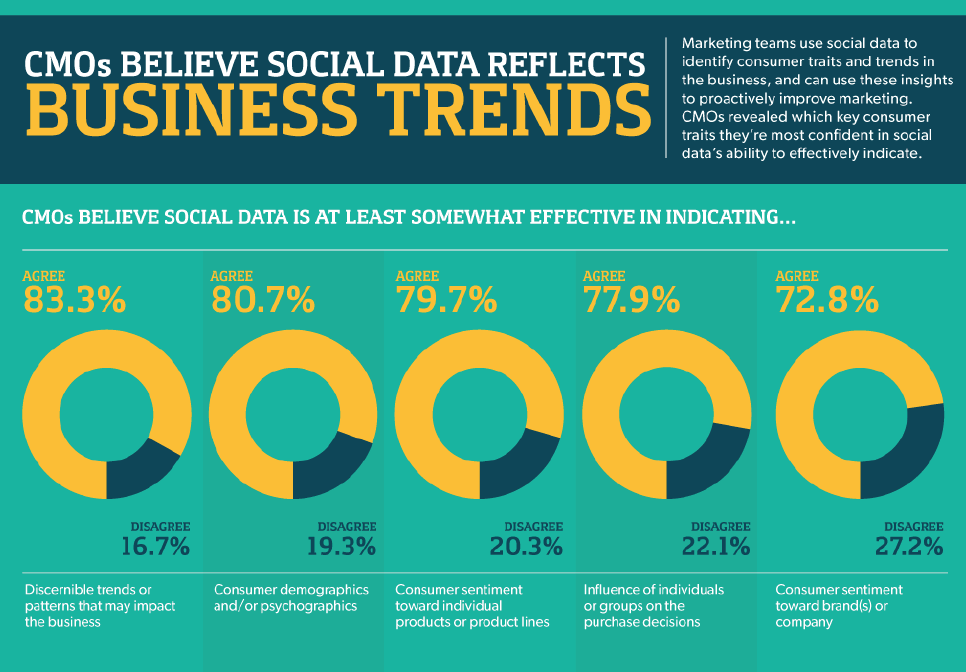


| You are subscribed to email updates from Social | Business 2 Community To stop receiving these emails, you may unsubscribe now. | Email delivery powered by Google |
| Google Inc., 20 West Kinzie, Chicago IL USA 60610 | |

Niciun comentariu:
Trimiteți un comentariu